
Watering During Flowering Stage
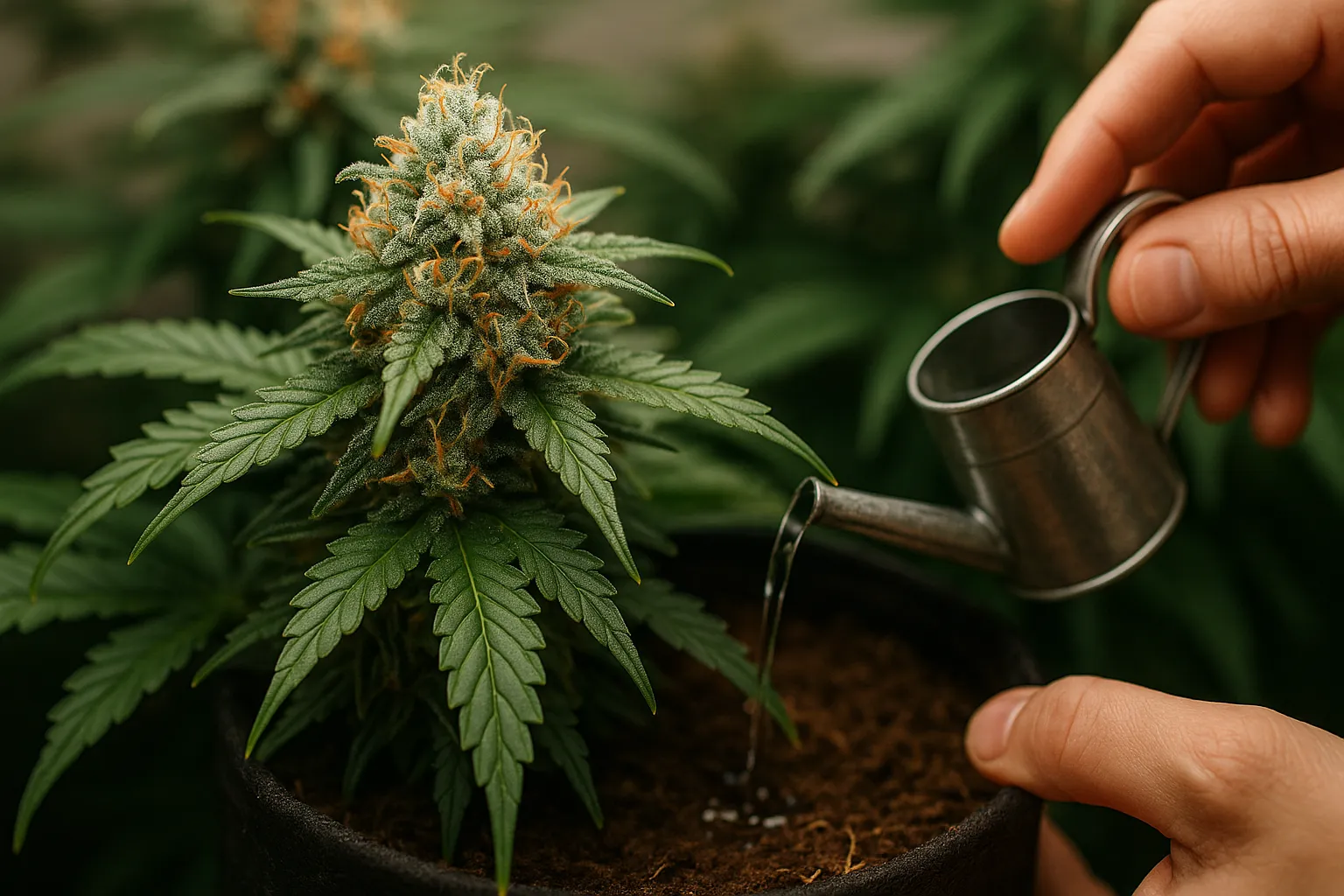
Watering during flowering stage is one of the most critical tasks for growers who want dense, aromatic, and healthy flowers. At this point, your plants are putting most of their energy into bud and bloom development, so water management directly affects yield, potency, and overall plant health. This guide explains how often to water, how much to use, and what to watch for so you can avoid common mistakes like overwatering and nutrient lockout.
Why Watering During Flowering Stage Matters
Once plants enter the flowering phase, their priorities shift from vegetative growth to producing blossoms. This change affects how they use water and nutrients.
- Nutrient transport: Water carries essential minerals such as phosphorus and potassium that are crucial for flower formation.
- Cell expansion: Adequate moisture supports bud swelling and calyx development.
- Stress resistance: Stable moisture levels help plants handle heat, light intensity, and minor environmental swings.
- Aroma and resin production: Proper hydration supports metabolic processes related to terpenes and resins.
Inconsistent or incorrect watering during this stage can lead to smaller buds, reduced quality, and a higher risk of disease.
Key Principles for Watering During Flowering Stage
1. Aim for Moist, Not Soaked
The goal is to keep the root zone evenly moist with periods of slight drying, never waterlogged. Overly wet soil or media displaces oxygen around the roots, leading to root rot and nutrient problems. Allow the top layer of the medium to dry slightly before watering again, but do not let the plant wilt.
2. Water Less Frequently but More Thoroughly
During flowering, a deep, thorough watering is usually better than frequent light watering. Deep watering encourages roots to grow downward, improving stability and nutrient uptake. Water until you see a modest amount of runoff from the bottom of the pot, then wait until the medium has dried to an appropriate level before the next irrigation.
3. Adjust to Pot Size and Medium
How often you water depends strongly on container size and the growing medium.
- Soil: Holds water longer, so expect longer intervals between waterings. A common rhythm is every 2 to 4 days, depending on plant size and environment.
- Coco coir: Drains faster and generally requires more frequent watering, often daily in later flowering for large plants.
- Soilless mixes: Perlite-heavy blends drain quickly and may need more frequent attention.
Always use the plants and the medium as your guide rather than a fixed schedule.
How to Know When to Water During Flowering Stage
1. The Weight Test
Lift the pot right after watering to feel how heavy it is when fully saturated. Then lift again when the plant is ready for water. Over time, you will learn the ideal "dry" weight that tells you it is time to irrigate. This method is simple and reliable for both soil and coco.
2. Finger or Moisture Check
For soil, insert a finger about 2 to 3 centimeters into the medium:
- If it still feels quite damp, wait.
- If it feels mostly dry, it is time to water.
Electronic moisture meters can also be helpful, especially in larger containers.
3. Watching the Leaves
Leaf posture provides quick feedback:
- Slight downward droop with dry soil: Plant is thirsty; water soon.
- Heavy, swollen leaves with wet soil: Possible overwatering; allow more drying time.
- Chlorosis or dark, clawed leaves: May indicate root stress or nutrient issues linked to poor watering practices.
Best Practices for Water Quality and Technique
Use Clean, Properly Conditioned Water
During flowering, plants are more sensitive to imbalances. Aim for:
- pH: Around 6.0 to 7.0 in soil and 5.8 to 6.2 in coco or hydro.
- Low chlorine: Let tap water stand for 24 hours or use a basic filter if chlorine levels are high.
- Moderate hardness: Extremely hard or soft water can interfere with nutrient uptake.
Water Slowly and Evenly
Pour water slowly across the surface, allowing it to soak in rather than run down the sides. This prevents dry pockets and ensures the entire root ball is hydrated. In large containers, water in stages, giving the medium time to absorb between passes.
Avoid Wetting Flowers When Possible
In late flowering, keep water off the buds to reduce the risk of mold and bud rot. Direct water to the base of the plant and ensure good air circulation around the canopy.
Common Watering Mistakes to Avoid in Flowering
- Rigid schedules: Watering every day "just because" often leads to overwatering. Always check the medium first.
- Ignoring runoff: Constantly leaving excess water in saucers can suffocate roots. Empty trays after each watering.
- Overcorrecting: Switching from heavy overwatering to extreme drying stresses plants. Aim for gradual adjustments.
- Feeding every watering in soil: In soil grows, alternating between nutrient solution and plain water often prevents salt buildup.
Conclusion
Mastering watering during flowering stage is a balance of timing, volume, and observation. Keep the root zone evenly moist but oxygenated, adjust your routine to the medium and environment, and monitor plant responses closely. With consistent, thoughtful watering practices, your plants will reward you with fuller blooms, richer aromas, and a more abundant final harvest.