
Overwatering during flowering stage
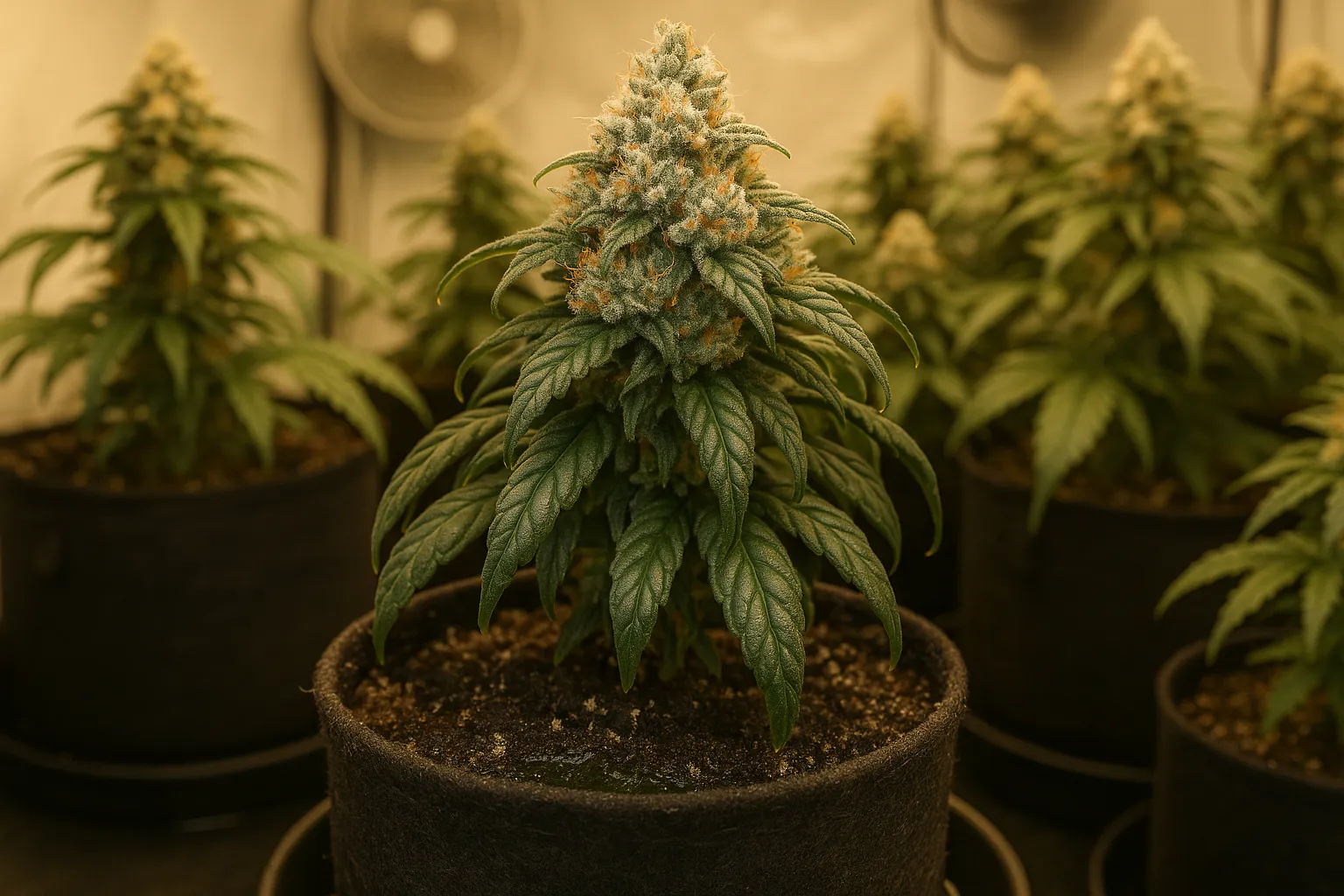
Overwatering during flowering stage is one of the most common mistakes growers make, and it can seriously reduce both yield and quality. At this critical phase, your plants are focusing energy on bud development, and any stress from excess water can lead to drooping, nutrient issues, and even root disease. Understanding how to manage water correctly during flowering will help you grow healthier plants and achieve denser, more aromatic flowers.
Why Overwatering During Flowering Stage Is So Harmful
Flowering plants need a balance of moisture and oxygen in the root zone. When the medium stays wet for too long, roots cannot breathe. This lack of oxygen disrupts nutrient uptake, weakens the plant, and creates ideal conditions for pathogens like root rot fungi.
In the flowering phase, the impact is amplified because:
- Energy is focused on flowers rather than vegetative growth, so any stress quickly shows in bud development.
- High humidity from wet soil can increase the risk of mold and bud rot.
- Plants drink differently than in veg; they may use less water than you expect, especially late in bloom.
Common Signs of Overwatering During Flowering Stage
Recognizing the early symptoms of overwatering helps you correct the problem before it damages your harvest.
Visual Symptoms Above the Soil
- Drooping leaves that look heavy and swollen, often curling down like claws.
- Yellowing leaves starting from the bottom, mimicking nitrogen deficiency.
- Slow growth and stalled bud development despite proper lighting and nutrients.
- Dark green, puffy foliage that feels soft rather than firm.
Soil and Root Zone Indicators
- Consistently wet or soggy medium even several days after watering.
- Musty or sour smell from the pot, a warning sign of root rot.
- Algae or fungus growth on the soil surface or around drainage holes.
Because some symptoms resemble nutrient deficiencies, always check your watering habits and soil moisture before increasing fertilizers.
Key Causes of Overwatering in Flowering Plants
Overwatering is not just about how often you water; it is about the total water balance and drainage in your system.
- Pots too large for the root mass, causing water to sit in unused areas of the medium.
- Poor drainage from compacted soil, no perlite, or blocked drainage holes.
- Fixed watering schedules instead of watering based on plant and medium needs.
- Cooler late-flower conditions that slow evaporation and transpiration, while watering amounts stay the same.
- Overly cautious growers who fear underwatering and compensate by watering too frequently.
How to Fix Overwatering During Flowering Stage
If you suspect your plants are overwatered, act quickly but carefully. Sudden, drastic changes can stress flowering plants, so focus on gradually restoring a healthy root environment.
Immediate Steps
- Stop watering temporarily and allow the medium to dry out until the top few centimeters are fully dry and the pot feels lighter.
- Improve air movement around the pots with fans to help evaporate excess moisture.
- Check drainage holes and gently clear any blockages so water can escape freely.
Medium and Container Adjustments
- Add aeration components like perlite, pumice, or coco to future mixes for better drainage.
- Use fabric pots or air pots that naturally increase oxygen to the root zone and reduce waterlogging.
- Avoid transplanting late in flower unless roots are clearly rotting and the plant will not recover otherwise.
Watering Technique Improvements
- Water slowly and evenly around the pot, allowing the medium to absorb water instead of creating channels.
- Wait for runoff, then stop. Discard excess runoff; do not let pots sit in standing water.
- Adjust frequency so that the medium cycles from moist to almost dry between waterings.
Best Practices to Prevent Overwatering in Flower
Prevention is easier than recovery, especially once dense buds are forming. A simple, consistent routine will keep your root zone healthy throughout bloom.
- Use the weight test: lift pots when fully watered, then again when dry, and learn the difference.
- Check moisture depth by inserting a clean finger or moisture probe a few centimeters into the medium.
- Match pot size to plant size so roots can use water efficiently.
- Fine-tune watering as flowering progresses; plants often drink less near the end of the cycle.
- Maintain good environmental control with adequate ventilation and moderate humidity to support steady transpiration.
Conclusion
Overwatering during flowering stage can quietly undermine weeks of careful work, reducing both yield and quality. By understanding the signs of excess water, the underlying causes, and the best practices for proper irrigation, you can keep your root zone healthy and your flowers developing at their full potential. Focus on good drainage, responsive watering based on plant needs rather than a rigid schedule, and consistent environmental control. With these habits in place, your flowering plants will reward you with stronger, denser, and more aromatic harvests.