
New Drug Laws in California 2026
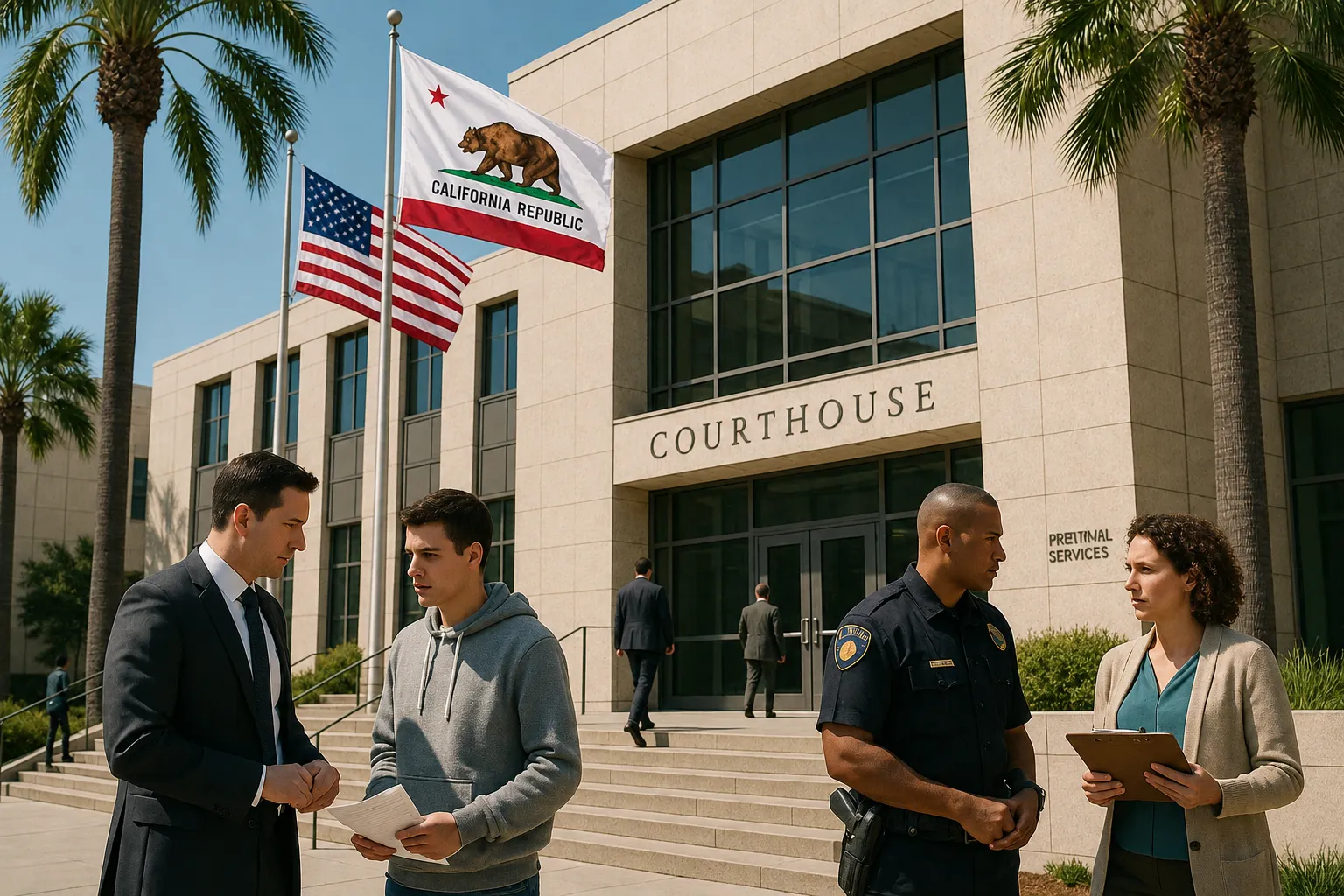
The New Drug Laws in California 2026 are reshaping how the state handles controlled substances, addiction, and public safety. Whether you are a resident, employer, parent, or someone facing a drug-related charge, understanding these changes is essential to protecting your rights and making informed decisions.
Overview of the New Drug Laws in California 2026
California has been moving toward a more health-focused and less punitive approach to drug use. The New Drug Laws in California 2026 continue this trend by:
- Revising penalties for certain possession and low-level drug offenses
- Expanding diversion and treatment programs instead of jail time
- Clarifying rules around prescription medications and controlled substances
- Adjusting cannabis regulations and enforcement priorities
These changes aim to reduce incarceration, address the opioid crisis, and direct people with substance use disorders toward treatment rather than punishment.
Key Changes in Drug Possession and Sentencing
One of the most important parts of the new framework involves how simple possession and related offenses are treated.
Simple Possession and Personal Use
For many controlled substances, simple possession for personal use continues to be treated as a misdemeanor, but the 2026 updates further emphasize alternatives to conviction. Courts are encouraged to:
- Offer pre-plea diversion that can lead to dismissal upon completion
- Use conditional discharge where treatment replaces traditional sentencing
- Consider a person’s addiction history and risk level before imposing jail time
However, possession with intent to sell, trafficking, and offenses involving minors or schools remain serious crimes and can still lead to significant prison terms.
Prior Convictions and Record Relief
The New Drug Laws in California 2026 also expand opportunities to clean up old criminal records. In many cases, people with past low-level drug convictions may be able to:
- Petition for reclassification of certain felonies to misdemeanors
- Seek record sealing after successful completion of probation or diversion
- Request resentencing if the law now treats the offense less harshly
This can have a major impact on employment, housing, and professional licensing opportunities.
Expanded Diversion and Treatment Options
A central goal of the New Drug Laws in California 2026 is to connect people with substance use disorders to help rather than simply punishing them.
Court-Ordered Treatment Programs
Courts now have broader authority to direct eligible defendants into:
- Drug court programs that combine supervision with counseling and testing
- Outpatient or residential treatment tailored to the severity of addiction
- Mental health diversion when substance use is tied to an underlying condition
Successful completion can often result in reduced charges, shorter probation, or dismissal of the case.
Eligibility and Compliance
Not everyone qualifies for diversion. Factors such as violence, large-scale distribution, and prior serious or violent felonies may exclude a person. Participants must:
- Follow treatment plans and program rules
- Submit to drug testing where required
- Appear at regular court or review hearings
Failure to comply can lead to reinstated criminal charges or traditional sentencing.
Cannabis, Prescription Drugs, and Fentanyl
The New Drug Laws in California 2026 also refine rules around legal and illegal substances that are currently driving policy debates.
Cannabis Regulations
Adult-use cannabis remains legal under state law, but the 2026 framework focuses on:
- Stricter enforcement against unlicensed commercial activity
- Updated rules on impaired driving and roadside enforcement
- Clarified limits on possession, cultivation, and public consumption
Local governments retain authority to regulate or restrict cannabis businesses in their jurisdictions.
Prescription Medication and Opioids
To combat overdose deaths, the new laws emphasize:
- Tighter monitoring of prescription drug databases
- Wider access to naloxone and overdose prevention resources
- Increased penalties for illicit fentanyl distribution, especially when it results in serious injury or death
Practical Steps if You Are Affected
If you think the New Drug Laws in California 2026 may impact you or someone you care about, consider the following actions:
- Speak with a qualified attorney about your specific situation and rights
- Request a record review to see if you qualify for resentencing or record relief
- Explore treatment options early; voluntary enrollment can help both health and legal outcomes
- Stay informed by checking official state and county resources for updates and local rules
Conclusion
The New Drug Laws in California 2026 reflect a continued shift toward treating drug use as a public health issue while still targeting serious trafficking and dangerous conduct. By understanding how possession, sentencing, diversion, and specific substances are now handled, you can better protect your future, support loved ones, and navigate the legal system with greater confidence.