
Medicinal Marijuana Pros and Cons
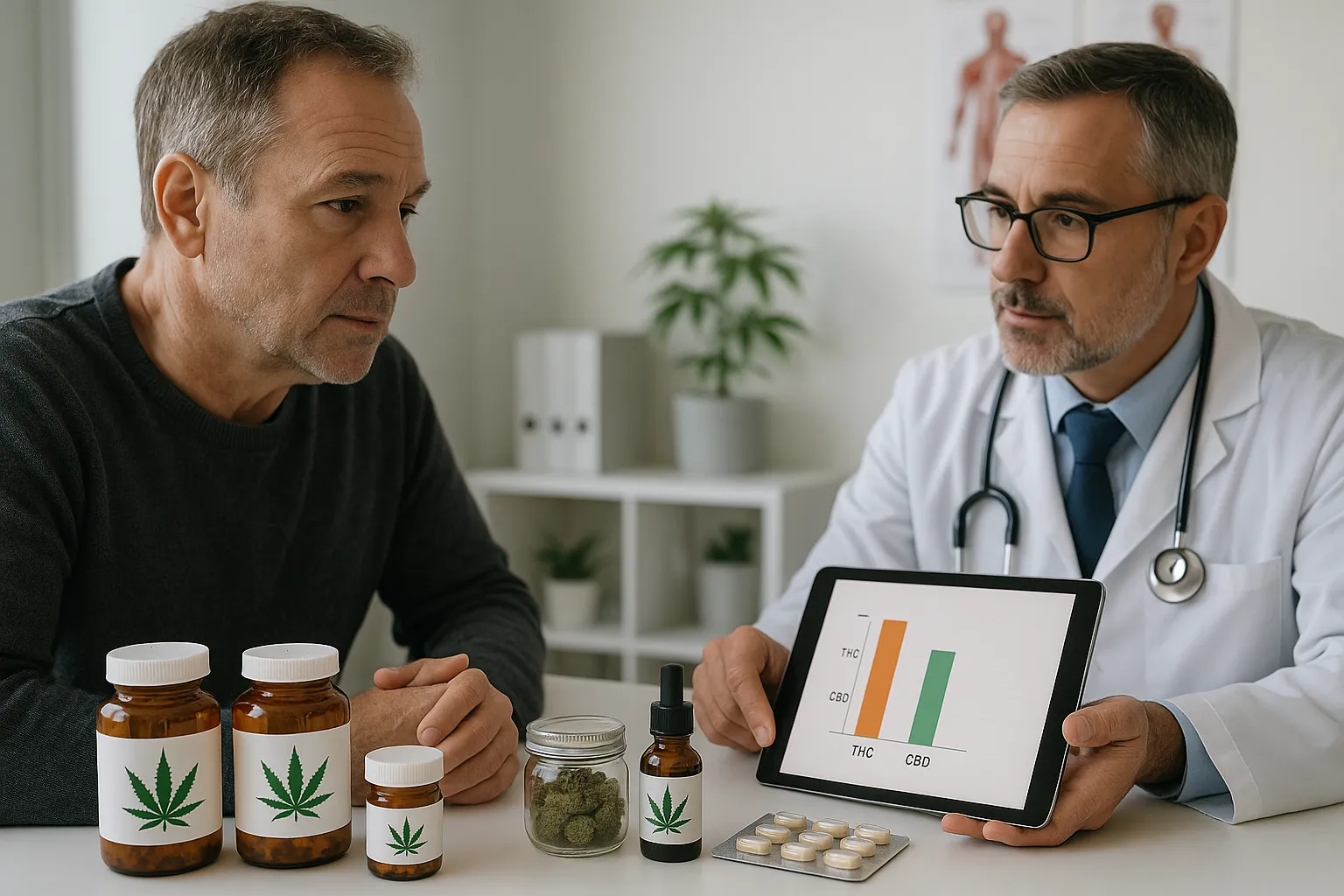
Medicinal marijuana pros and cons are widely debated by patients, doctors, and policymakers. As more regions legalize medical cannabis, people want clear, balanced information to help them decide whether it is a good option for their health needs. This guide explains how medical marijuana works, its potential benefits, possible risks, and practical considerations before you start treatment.
What Is Medicinal Marijuana?
Medicinal marijuana refers to the use of the cannabis plant, or its active compounds, to treat specific health conditions under medical supervision. The two best-known compounds are:
- THC (tetrahydrocannabinol) – responsible for the psychoactive "high," but also contributes to pain relief, nausea control, and appetite stimulation.
- CBD (cannabidiol) – non-intoxicating, often used for seizures, anxiety, and inflammation.
Medical cannabis is available in many forms, including oils, capsules, tinctures, edibles, topical creams, and vaporized products. Potency and THC:CBD ratios vary widely, which significantly affects both benefits and side effects.
Key Medicinal Marijuana Pros and Cons
Potential Benefits of Medical Cannabis
For some patients, medicinal marijuana offers meaningful symptom relief when other treatments have failed or caused intolerable side effects. Commonly cited benefits include:
- Pain management – Cannabis may help reduce chronic pain, especially nerve-related pain, and may lower reliance on certain pain medications.
- Reduced nausea and vomiting – THC-based medicines are sometimes prescribed to cancer patients undergoing chemotherapy to ease severe nausea.
- Appetite stimulation – Medical marijuana can help patients with conditions such as cancer or HIV/AIDS maintain weight by improving appetite.
- Muscle spasticity relief – Some people with multiple sclerosis or spinal cord injuries report reduced muscle spasms and improved mobility.
- Seizure control – Purified CBD products have been approved in several countries for specific, hard-to-treat epilepsy syndromes.
- Sleep support – Certain cannabis formulations may help with insomnia related to pain, anxiety, or other chronic conditions.
Another advantage is the growing availability of non-smoking options, such as oils and capsules, which can reduce respiratory risks compared to inhaled products.
Risks and Side Effects to Consider
Medicinal marijuana is not risk-free. Understanding the main drawbacks is essential before deciding on treatment.
- Cognitive and psychomotor effects – THC can impair short-term memory, attention, judgment, and coordination, increasing the risk of accidents, especially when driving or operating machinery.
- Anxiety and mood changes – Some users experience anxiety, paranoia, or mood swings, particularly with high-THC products or high doses.
- Dependence and misuse – A minority of users may develop cannabis use disorder, characterized by cravings and difficulty cutting down despite negative consequences.
- Respiratory issues – Smoking cannabis can irritate the lungs and airways. Vaporizing or oral products may be safer for long-term use.
- Heart and blood pressure effects – Cannabis can temporarily increase heart rate and may pose risks for some people with cardiovascular disease.
- Drug interactions – Cannabis can interact with medications such as blood thinners, sedatives, and certain antidepressants, potentially altering their effects.
Side effects are often dose-related and can sometimes be managed by adjusting the product type, THC:CBD ratio, or dosage under medical supervision.
Conditions Commonly Treated With Medicinal Marijuana
Eligibility for medical cannabis varies by region, but it is commonly considered for:
- Chronic or neuropathic pain
- Cancer-related symptoms
- Multiple sclerosis and muscle spasticity
- Certain forms of epilepsy
- HIV/AIDS-related weight loss
- Glaucoma (in some cases)
- Post-traumatic stress disorder (PTSD), where legally permitted
Evidence strength differs across conditions. For some, like chronic pain and chemotherapy-induced nausea, research is relatively stronger; for others, data remain limited or mixed.
Practical Considerations: Access, Dosing, and Safety
Legal and Regulatory Issues
Laws governing medical marijuana differ widely. In many areas, patients need:
- A documented qualifying condition
- Certification from a licensed healthcare provider
- Registration with a state or national medical cannabis program
Always check local regulations, including rules on possession limits, permitted product types, and restrictions on driving or workplace use.
Choosing Products and Dosages
Because cannabis affects individuals differently, starting cautiously is essential:
- Start low and go slow – Begin with a low dose, especially with THC, and increase gradually as needed.
- Consider CBD-dominant options – These may offer symptom relief with less intoxication for some conditions.
- Avoid smoking when possible – Choose oils, capsules, or vaporized products to reduce lung irritation.
- Monitor effects – Keep a simple log of dose, timing, symptom relief, and side effects to share with your clinician.
Who Should Be Extra Cautious?
Medical cannabis may not be appropriate, or may require extra caution, for:
- People with a history of psychosis or severe mental illness
- Pregnant or breastfeeding individuals
- Adolescents and young adults, due to brain development concerns
- Patients with serious heart disease or uncontrolled blood pressure
Conclusion: Weighing Medicinal Marijuana Pros and Cons
Understanding medicinal marijuana pros and cons helps patients make informed, realistic decisions. Medical cannabis can provide meaningful relief for some conditions, particularly chronic pain, nausea, and certain seizure disorders, especially when standard therapies fall short. At the same time, it carries real risks, including cognitive impairment, dependence, and potential interactions with other medications.
The best approach is to discuss medical marijuana openly with a knowledgeable healthcare provider, consider evidence for your specific condition, and use regulated products with careful dosing. When used thoughtfully and legally, medicinal cannabis can be a useful tool in a broader, individualized treatment plan.