
Medical Marijuanas North Carolina
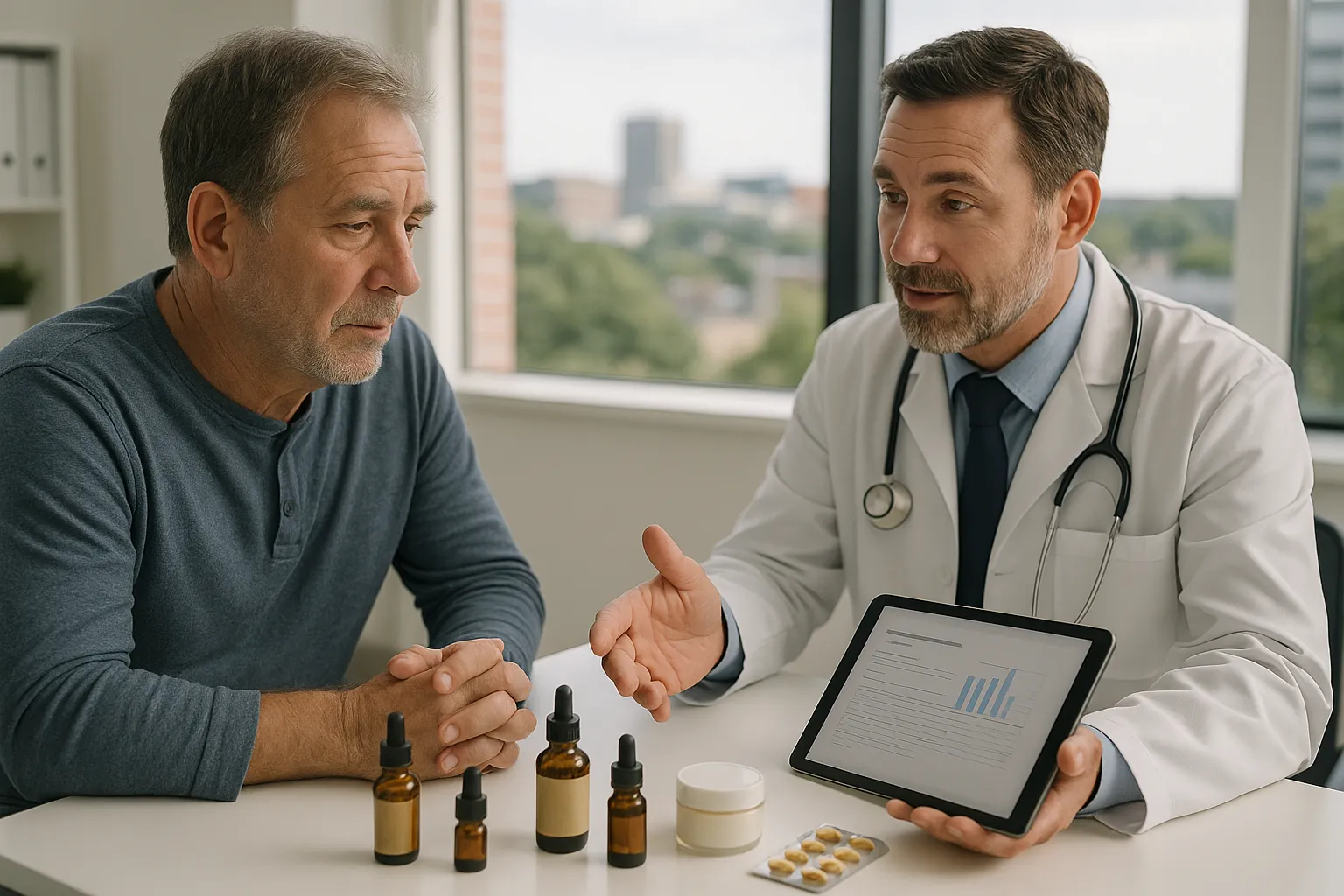
Medical marijuanas North Carolina is a topic that generates a lot of confusion for patients and caregivers. With headlines about cannabis reform in other states, it can be hard to understand what is actually legal in North Carolina, what products are available, and how patients can safely explore treatment options. This guide explains the current laws, available programs, and practical considerations so you can make informed decisions.
Is Medical Marijuanas Legal in North Carolina?
North Carolina does not currently have a comprehensive medical marijuana program like many other states. However, there is a very limited law that allows certain patients to possess specific cannabis-derived products.
The key points of the existing legal framework are:
- No full medical cannabis program: There is no statewide system of licensed dispensaries, no registry ID cards, and no broad list of qualifying conditions.
- Low-THC, high-CBD exception: State law allows the use of hemp-derived products that contain very low levels of THC and higher levels of CBD, as long as they meet federal hemp standards.
- Smokable marijuana remains illegal: Possession of marijuana flower or high-THC products can still lead to criminal charges under North Carolina law.
Legislators have proposed various bills to establish a medical cannabis program in North Carolina, but as of now, none have fully passed into law. Patients should always verify the most recent legal status, as cannabis policy can change from one legislative session to the next.
Current Options for Patients Seeking Relief
While a traditional medical marijuana system is not in place, patients in North Carolina do have some legal options, primarily centered around hemp and CBD products.
Hemp-Derived CBD Products
Under federal and state law, hemp products with less than 0.3 percent delta-9 THC by dry weight are legal. These are widely available in North Carolina through:
- Specialty CBD shops
- Wellness stores and pharmacies
- Online retailers that ship to North Carolina
Common product types include:
- CBD oils and tinctures: Drops placed under the tongue for systemic relief.
- Capsules and softgels: Pre-measured doses for consistent intake.
- Topicals: Creams, balms, and lotions applied to specific areas.
- Edibles: Gummies and other ingestible products, where legal and compliant.
These products are not equivalent to medical marijuana from a dispensary in a fully legal state, but many patients report benefits for pain, anxiety, inflammation, and sleep issues.
Delta-8 and Other Hemp Cannabinoids
Some stores in North Carolina sell hemp-derived cannabinoids like delta-8 THC. These substances fall into a gray area and have been the subject of ongoing regulatory attention. Before using them, patients should:
- Check for updated state rules, as laws can shift quickly.
- Review independent lab reports to confirm potency and purity.
- Discuss potential risks with a healthcare provider, especially regarding impairment and drug testing.
Medical Marijuanas North Carolina: Working With Your Doctor
Even without a formal medical cannabis card system, it is wise to involve your healthcare provider when considering cannabis or CBD for symptom management.
How to Talk to Your Provider
To make the conversation productive:
- Explain your symptoms and current treatments clearly.
- Share any previous experiences with cannabis or CBD, including side effects.
- Ask how cannabis products might interact with your existing medications.
Some clinicians may not feel comfortable directly recommending cannabis, but they can still provide valuable guidance on safety, dosing considerations, and monitoring your response.
Conditions Patients Commonly Target
In states with established medical cannabis programs, patients often seek cannabis-based therapies for:
- Chronic pain and neuropathy
- Multiple sclerosis and muscle spasticity
- Chemotherapy-related nausea and appetite loss
- Seizure disorders
- Post-traumatic stress disorder (PTSD)
- Insomnia and anxiety
In North Carolina, patients may explore hemp-derived CBD for similar concerns, though evidence varies by condition and product quality.
Choosing Safe and Effective CBD Products
Because North Carolina lacks a regulated medical dispensary system, quality control is especially important. Consider these steps when selecting products:
- Look for third-party lab testing: Reputable brands provide certificates of analysis showing cannabinoid content and screening for contaminants like heavy metals, pesticides, and solvents.
- Verify THC content: Ensure products meet the legal limit of 0.3 percent delta-9 THC by dry weight.
- Start low and go slow: Begin with a low dose and gradually increase while monitoring effects.
- Check for clear labeling: Labels should state total milligrams of CBD, serving size, ingredients, and manufacturer contact information.
Legal and Practical Considerations
Anyone using cannabis-derived products in North Carolina should be aware of these important issues:
- Driving and impairment: Do not drive or operate machinery if you feel impaired by any cannabinoid product.
- Employment and drug testing: Some CBD and hemp products may contain trace THC that could appear on a drug test. Review your employer policies and consider THC-free options if testing is a concern.
- Travel across state lines: Laws differ widely. Products legal in one state may not be allowed in another, especially those with higher THC levels.
Outlook for Medical Cannabis Reform in North Carolina
There is ongoing debate among lawmakers, medical professionals, and patient advocacy groups about expanding medical cannabis access in North Carolina. Future legislation could potentially create:
- A regulated system of licensed dispensaries
- A registry of qualified patients
- Clearer rules on product types and potency
Until such changes occur, residents must rely mainly on federally compliant hemp products and carefully follow existing state law.
Conclusion
Medical marijuanas North Carolina remains a limited and evolving area of law. While the state does not yet offer a full medical cannabis program, patients can legally access certain hemp-derived CBD products and, with professional guidance, use them as part of a broader symptom management plan. Staying informed about legal updates, prioritizing product quality, and working closely with a trusted healthcare provider are the best ways to navigate cannabis-based options in North Carolina today.