
Medical Cannabis Texas
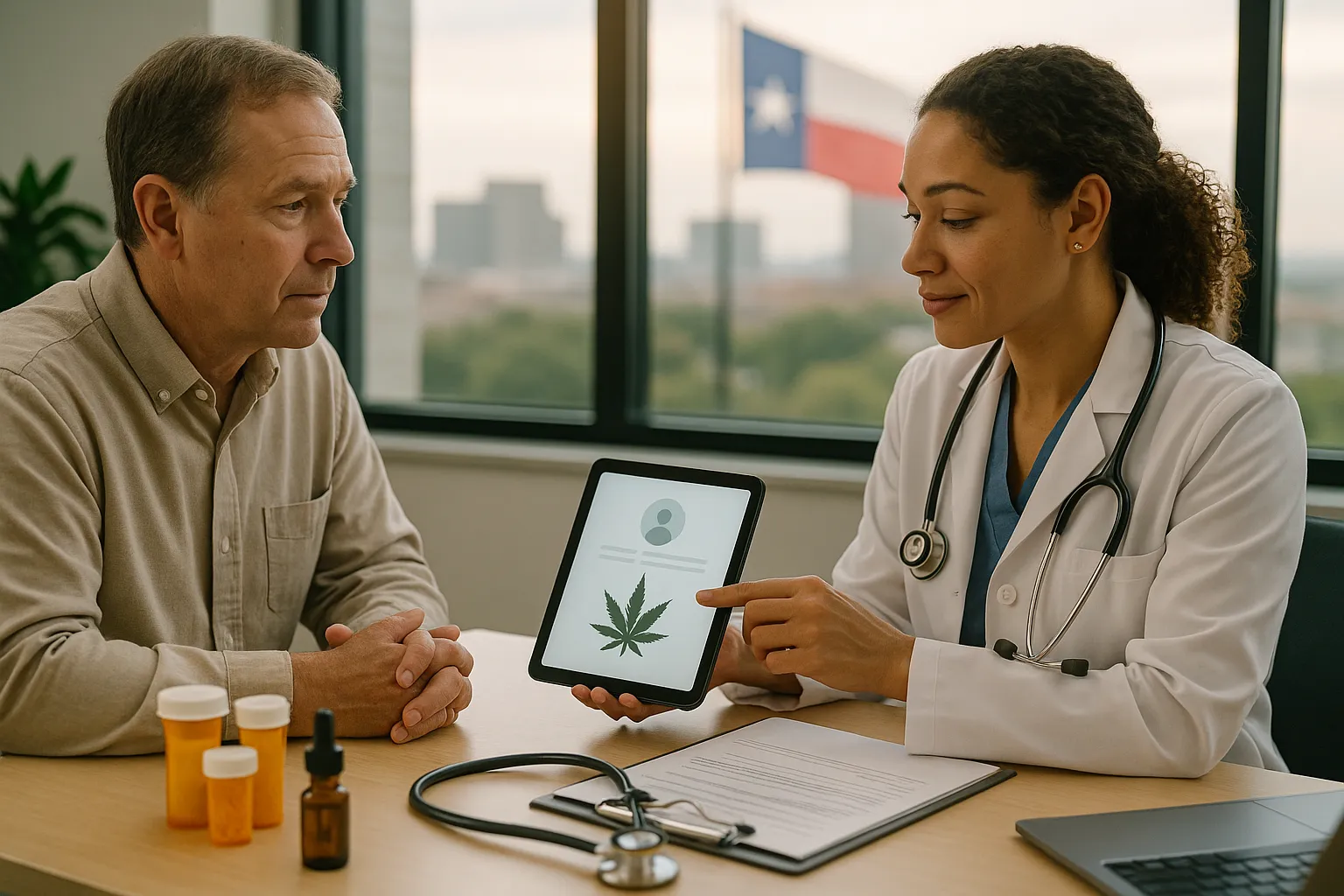
Medical Cannabis Texas regulations have evolved significantly in recent years, but the system can still feel confusing for patients and caregivers. This guide explains how the Texas Compassionate Use Program works, who qualifies, how to get a prescription, and what products are available, so you can make informed decisions within state law.
Understanding Medical Cannabis Texas Laws
Texas does not have a traditional medical marijuana program like many other states. Instead, it operates the Texas Compassionate Use Program (TCUP), which allows qualified patients to access low-THC cannabis products under strict conditions.
Low-THC definition in Texas
Under current Texas law, low-THC cannabis is defined as:
- No more than 1 percent THC by weight
- Derived from the cannabis plant (not hemp-based CBD alone)
- Available only through licensed dispensing organizations
Smoking cannabis flower remains illegal. Products are typically offered as tinctures, capsules, lozenges, and other oral forms.
Key legal points to know
- Only registered physicians in the Compassionate Use Registry of Texas (CURT) can issue prescriptions.
- There is no patient card; prescriptions are recorded electronically in CURT.
- Possession is legal only when you have a valid prescription and purchase from a licensed dispensary.
- Recreational cannabis remains illegal in Texas, regardless of medical conditions.
Who Qualifies for Medical Cannabis in Texas?
Eligibility for the Texas Compassionate Use Program is based on both diagnosis and clinical judgement. The law lists certain qualifying conditions, but the physician must also determine that the potential benefits outweigh the risks.
Current qualifying conditions
As of the latest updates, Texas allows low-THC prescriptions for patients with:
- Epilepsy and other seizure disorders
- Multiple sclerosis (MS)
- Spasticity
- Autism spectrum disorder
- Terminal cancer or other qualifying cancers
- Incurable neurodegenerative diseases (such as ALS, Parkinson disease, some dementias)
- Post-traumatic stress disorder (PTSD)
Some conditions may have specific documentation requirements. Physicians may also consider coexisting issues like chronic pain, anxiety, or sleep disturbance when determining whether low-THC cannabis is appropriate.
Age and residency requirements
- There is no minimum age in the statute, but minors require a parent or legal guardian to manage treatment.
- Patients must be permanent residents of Texas.
- Proof of identity and residency is required at the dispensary.
How to Get a Medical Cannabis Prescription in Texas
Accessing medical cannabis in Texas involves a few clear steps. Understanding the process can help you avoid delays and ensure compliance with state rules.
Step 1: Confirm your diagnosis
Before seeking a prescription, gather medical records confirming a qualifying condition. This may include:
- Clinic notes from specialists
- Imaging or lab results
- Neuropsychological or developmental evaluations
Step 2: Find a CURT-registered physician
Only physicians registered in the Compassionate Use Registry of Texas can prescribe low-THC cannabis. Many are neurologists, psychiatrists, oncologists, or pain specialists, but some primary care providers also participate.
During your consultation, the physician will:
- Review your medical history and current medications
- Assess risks such as heart disease, substance use history, or pregnancy
- Discuss potential benefits and limitations of low-THC products
Step 3: Prescription entry into CURT
If the physician decides to proceed, they will enter your prescription into CURT, including:
- Patient name and date of birth
- Dosage range and product type
- Instructions for use and duration
You do not receive a physical card; the dispensary verifies your prescription directly in the registry.
Medical Cannabis Texas Products and Dosing
Because Texas limits THC concentration, products are formulated to balance cannabinoids while staying within the 1 percent THC cap.
Common product types
- Tinctures and oils: Liquid drops placed under the tongue or mixed with food.
- Capsules or softgels: Pre-measured doses for consistent intake.
- Lozenges or gummies: Oral products that provide slower onset and longer duration.
Typical dosing approach
Physicians and dispensary pharmacists often use a "start low, go slow" strategy:
- Begin with a low dose once or twice daily.
- Increase gradually based on symptom control and side effects.
- Adjust the CBD-to-THC ratio if needed for better tolerance.
Practical Considerations and Safety
Using medical cannabis safely in Texas requires attention to both health and legal issues.
Side effects and precautions
- Drowsiness, dizziness, or fatigue
- Dry mouth or mild gastrointestinal upset
- Changes in appetite or mood
Patients should avoid driving or operating heavy machinery until they know how the product affects them. Always discuss potential interactions with other medications, especially sedatives, blood thinners, and seizure drugs.
Travel and storage
- Keep products in original packaging with labels intact.
- Do not take Texas medical cannabis products across state lines, even to other legal states.
- Store securely away from children and pets.
Conclusion
Medical Cannabis Texas rules are more restrictive than in many states, but the Compassionate Use Program offers a legal pathway for patients with serious conditions to access low-THC cannabis under medical supervision. By understanding eligibility, working with a CURT-registered physician, and using products responsibly, patients and caregivers can navigate the system safely and in compliance with Texas law.