
Medical Cannabis for Anxiety and Depression
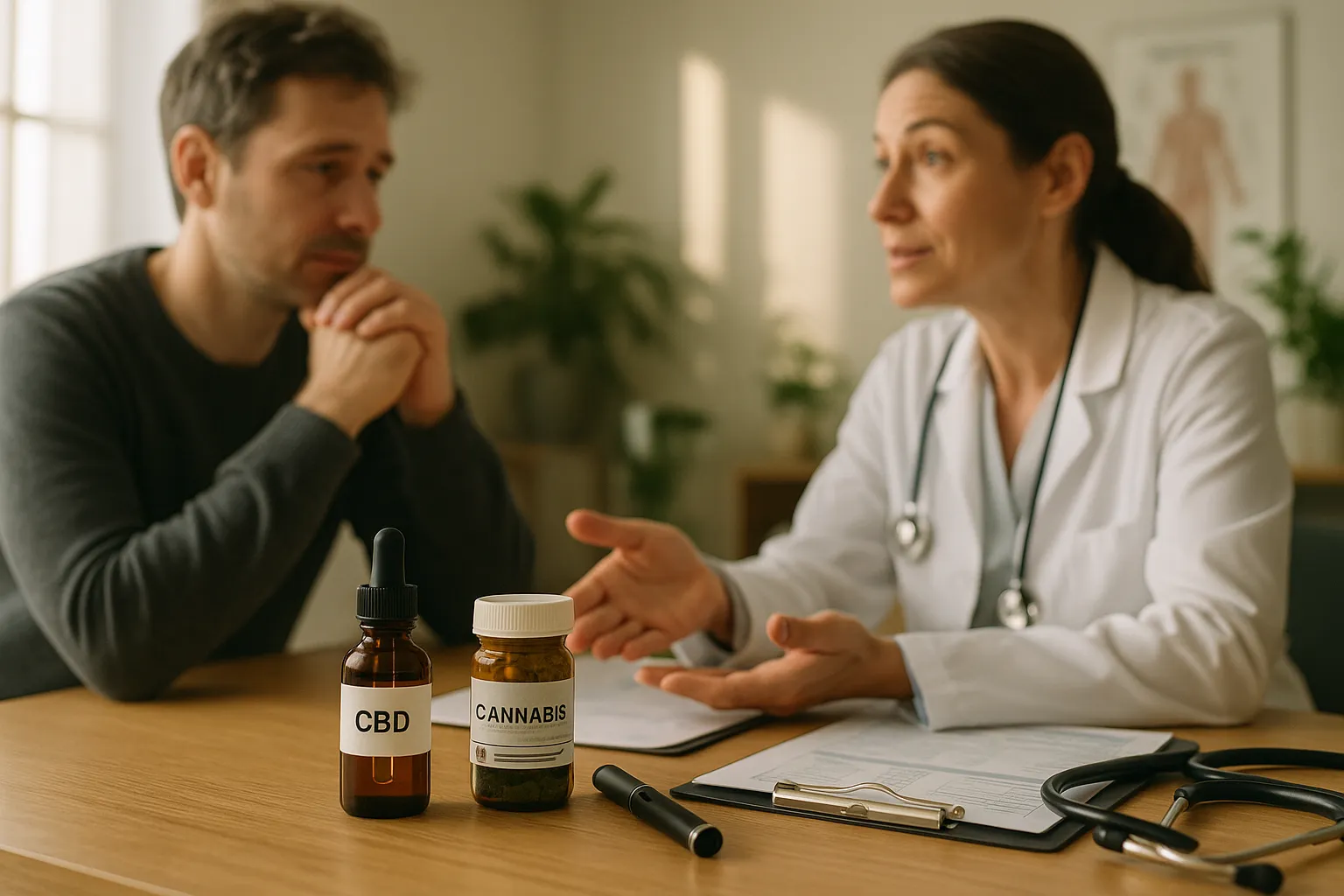
Medical cannabis for anxiety and depression is attracting growing interest from patients who have not found relief with standard treatments. While research is still evolving, many people report improvements in mood, sleep, and overall quality of life when cannabis is used carefully and under medical supervision.
What Is Medical Cannabis for Anxiety and Depression?
Medical cannabis refers to regulated cannabis products prescribed or recommended to treat specific health conditions. For anxiety and depression, it typically involves controlled doses of cannabinoids such as THC (tetrahydrocannabinol) and CBD (cannabidiol), taken as oils, capsules, sprays, or vape products rather than smoked flower.
The body has an endocannabinoid system that helps regulate mood, stress response, sleep, and pain. Cannabinoids from the cannabis plant interact with this system, which may explain why some people experience reduced anxiety and improved emotional balance.
How Medical Cannabis May Help Anxiety and Depression
Evidence is mixed, but several potential benefits are being studied:
- Anxiety relief: Low to moderate doses of certain cannabis chemotypes, especially CBD-dominant products, may reduce symptoms of generalized anxiety, social anxiety, and stress in some patients.
- Mood stabilization: Some individuals with mild to moderate depression report better mood, motivation, and interest in daily activities when cannabis is added to their treatment plan.
- Improved sleep: By easing racing thoughts, pain, and nighttime anxiety, medical cannabis can help some people fall asleep faster and stay asleep longer.
- Pain and tension reduction: Chronic pain often worsens anxiety and depression. Cannabis may ease neuropathic pain, muscle tension, and inflammation, indirectly supporting mental health.
Importantly, responses vary widely. What brings relief for one person can worsen symptoms for another, making professional guidance essential.
Types of Cannabis Products for Mental Health
When considering medical cannabis for anxiety and depression, product choice matters as much as dose.
CBD-Dominant Products
CBD is non-intoxicating and is often preferred as a first-line option for anxiety disorders.
- Typically cause little or no feeling of being high.
- May reduce social anxiety, performance anxiety, and general stress.
- Common forms include oils, softgels, and sublingual tinctures.
Balanced THC:CBD Formulations
Some patients benefit from a combination of THC and CBD.
- CBD may soften the unwanted effects of THC, such as paranoia or rapid heartbeat.
- Balanced products can support both mood and pain control.
- Best started at very low doses and increased slowly.
THC-Dominant Products
THC can provide short term euphoria and relaxation, but it also carries higher risk.
- May help with severe insomnia, appetite loss, or pain that worsens mood.
- More likely to trigger anxiety, panic, or mood swings at higher doses.
- Generally not recommended as a first choice for people prone to anxiety.
Potential Risks and Side Effects
Medical cannabis is not risk free, especially for those with mental health vulnerabilities.
- Increased anxiety or paranoia: High THC doses can worsen anxiety and trigger panic attacks.
- Cognitive effects: Short term memory, concentration, and reaction time may be affected, especially with higher THC.
- Dependence and misuse: Some individuals may begin to rely on cannabis to manage all emotions, increasing the risk of problematic use.
- Mood instability: In people with bipolar disorder or psychosis risk, THC may exacerbate symptoms.
- Drug interactions: Cannabis can interact with antidepressants, anti anxiety medications, and mood stabilizers.
These risks highlight the importance of medical oversight, careful product selection, and honest discussion about mental health history.
Best Practices for Using Medical Cannabis for Anxiety and Depression
If you and your clinician decide to explore medical cannabis, a structured approach can improve safety and outcomes.
- Consult a knowledgeable clinician: Work with a doctor or specialist familiar with both mental health and cannabinoid therapy.
- Start low and go slow: Begin with a low CBD dominant or balanced product, and increase gradually over days or weeks.
- Avoid heavy THC early on: Especially if you have a history of panic attacks, psychosis, or strong family history of such conditions.
- Choose predictable delivery methods: Oils, capsules, and measured sprays offer more reliable dosing than smoking.
- Monitor your mood: Keep a simple journal of sleep, anxiety, mood, and side effects to share with your provider.
- Combine with evidence based care: Medical cannabis should complement, not replace, therapies like CBT, lifestyle changes, and, when appropriate, antidepressant medication.
Who Should Be Cautious or Avoid Cannabis?
Medical cannabis is not suitable for everyone. Extra caution is advised for:
- People under 25, whose brains are still developing.
- Individuals with a personal or family history of psychosis or schizophrenia.
- Those with uncontrolled bipolar disorder or severe personality disorders.
- Pregnant or breastfeeding individuals.
- Anyone with a history of substance use disorder, unless closely monitored.
Conclusion: Is Medical Cannabis Right for Your Anxiety or Depression?
Medical cannabis for anxiety and depression may offer meaningful relief for some patients, especially when conventional treatments have not worked well. However, its effects are highly individual, and the balance between benefits and risks depends on product type, dosage, mental health history, and medical supervision.
Used thoughtfully, with realistic expectations and professional guidance, medical cannabis can become one part of a broader, evidence based plan to improve emotional well being, sleep, and daily functioning. The most important step is an open, informed conversation with a qualified clinician who can help you decide whether this option fits your unique needs.