
Latest Legalization News near Texas
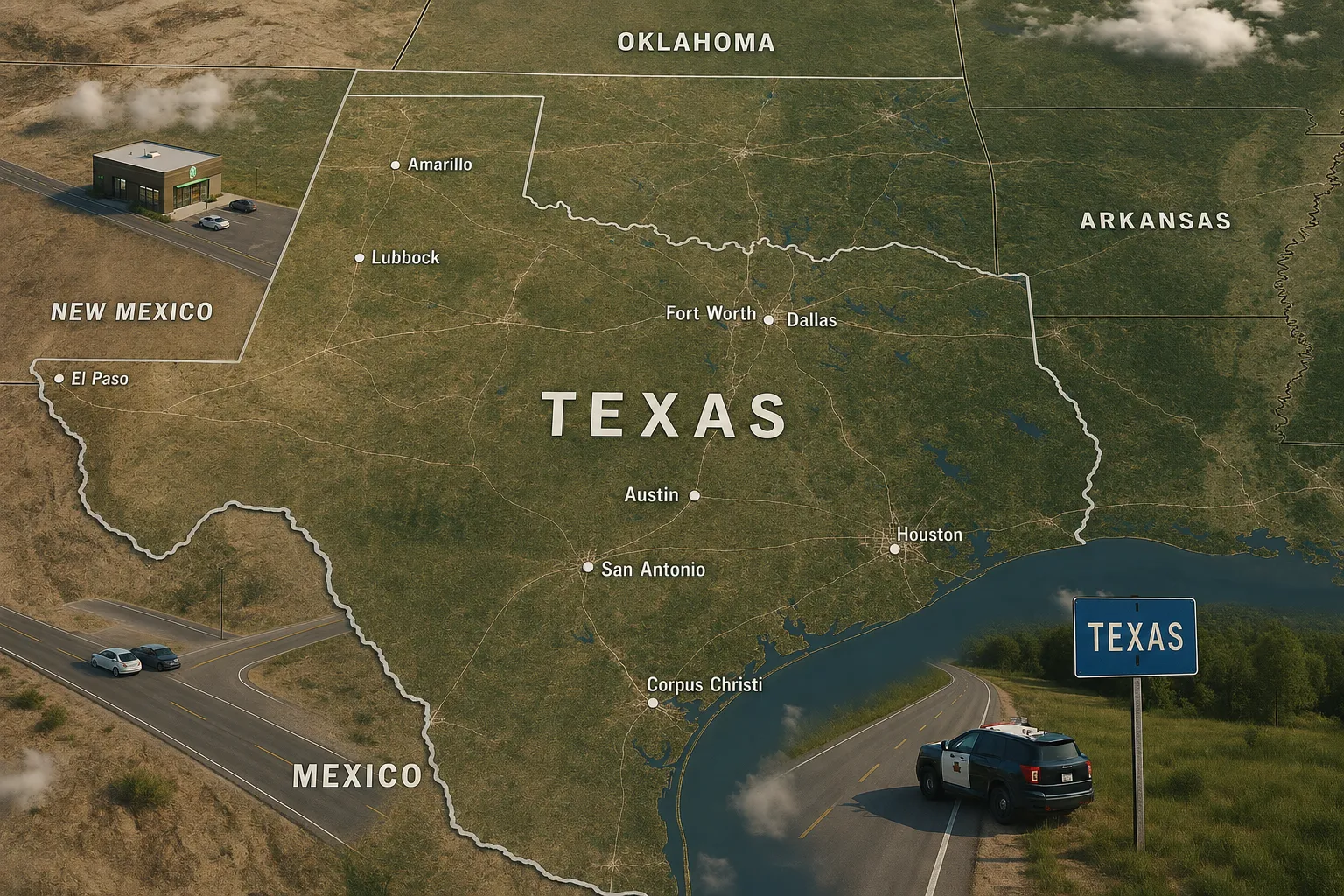
The Latest Legalization News near Texas is changing fast, especially around cannabis laws, medical marijuana access, and criminal justice reforms. While Texas itself remains relatively strict, neighboring states are moving in different directions, creating a complex legal landscape for residents, businesses, and travelers.
Overview of the Latest Legalization News near Texas
Across the South and Southwest, states bordering Texas are steadily updating their laws on cannabis, hemp, and related criminal penalties. These changes affect Texans who travel, people living near state lines, and companies considering expansion into new markets.
Key themes in recent developments include:
- Gradual expansion of medical marijuana programs
- Debates over full recreational legalization
- Ongoing adjustments to hemp and CBD regulations
- Criminal justice reforms related to possession and expungement
Texas: Slow, Limited Changes at Home
Texas has not legalized recreational cannabis, and possession of small amounts can still lead to criminal charges in many jurisdictions. However, there have been incremental shifts:
- Medical marijuana program: Texas allows low-THC cannabis for certain qualifying conditions under the Compassionate Use Program, and lawmakers periodically discuss expanding the list of conditions and allowable THC levels.
- Hemp and CBD: Industrial hemp and many CBD products are legal under state and federal law, but enforcement and labeling rules continue to evolve, especially around products that mimic the effects of THC.
- Local decriminalization efforts: Some cities and counties have adopted cite-and-release or de-prioritization policies for small possession cases, though these policies vary widely and are subject to political shifts.
Oklahoma: A Major Medical Marijuana Market Next Door
One of the most significant pieces of legalization news near Texas comes from Oklahoma. It has one of the most open medical marijuana programs in the country, attracting patients, entrepreneurs, and investors.
- Broad patient access: Oklahoma does not have a strict list of qualifying conditions; instead, physicians can recommend medical cannabis for a wide range of health issues.
- Business opportunities: The state has issued many licenses for dispensaries and growers, creating a competitive market just north of Texas.
- Impact on Texans: Texans who travel to Oklahoma may see far more dispensaries and cannabis products than at home. However, it remains illegal to bring cannabis back into Texas, even with an out-of-state medical card.
New Mexico: Recreational Legalization to the West
New Mexico, another neighbor, has moved beyond medical use to legalize recreational cannabis for adults. This creates a fully legal market directly bordering West Texas.
- Adult-use sales: Adults over 21 can purchase cannabis products from licensed dispensaries, subject to possession limits and state regulations.
- Tourism and cross-border traffic: Residents of El Paso and other West Texas communities may travel to New Mexico for legal purchases, but transporting cannabis back into Texas is still a crime.
- Regulatory framework: New Mexico is refining licensing rules, taxation, and product safety standards, which may serve as a model for future reforms in the region.
Louisiana and Arkansas: Evolving Medical Programs
To the east and northeast, Louisiana and Arkansas have implemented medical marijuana programs with more limited access than Oklahoma but more options than Texas currently offers.
Louisiana
- Operates a regulated medical cannabis system with dispensaries in designated regions.
- Allows cannabis for specific medical conditions, with ongoing discussions about expanding eligibility and available product forms.
- Maintains criminal penalties for recreational use, though enforcement priorities can differ by parish.
Arkansas
- Has a voter-approved medical marijuana program with licensed dispensaries.
- Periodically considers ballot measures and legislative proposals for broader legalization.
- Provides another example of a Southern state moving faster than Texas on medical access.
Key Legal Risks for Texans Watching Regional Legalization
As more states around Texas change their laws, confusion grows about what is actually legal once you cross back into Texas. Important points include:
- State lines matter: Cannabis that is legal in New Mexico or Oklahoma becomes illegal the moment it is brought into Texas, regardless of receipts or medical cards.
- Federal law: Cannabis remains illegal under federal law, which can affect travel, employment, and firearm ownership, even in states that have legalized it.
- Impaired driving: Driving under the influence of cannabis is prohibited in every state, and enforcement can be strict near border areas.
- Product confusion: Hemp-derived products such as CBD and delta-8 THC exist in a gray area, with frequent regulatory updates and enforcement actions.
Staying Informed as Legalization News Near Texas Evolves
The policy landscape is shifting quickly. To keep up with the Latest Legalization News near Texas, consider the following steps:
- Monitor official state government and legislative websites for updates.
- Follow reputable legal and policy organizations that track cannabis law reform.
- Consult a qualified attorney before making decisions that could involve criminal or regulatory risk.
- Check local ordinances in Texas cities and counties, as enforcement priorities can differ significantly.
Conclusion
The region surrounding Texas is becoming a patchwork of different legalization models, from New Mexicos recreational market to Oklahomas expansive medical program and the more cautious approaches in Louisiana and Arkansas. Texas itself is moving more slowly, with limited medical access and ongoing debates over broader reform. Understanding these differences, and the legal boundaries between states, is essential for residents, businesses, and travelers who want to stay compliant while navigating the changing landscape of legalization near Texas.