
How to Pick Cannabis Seeds
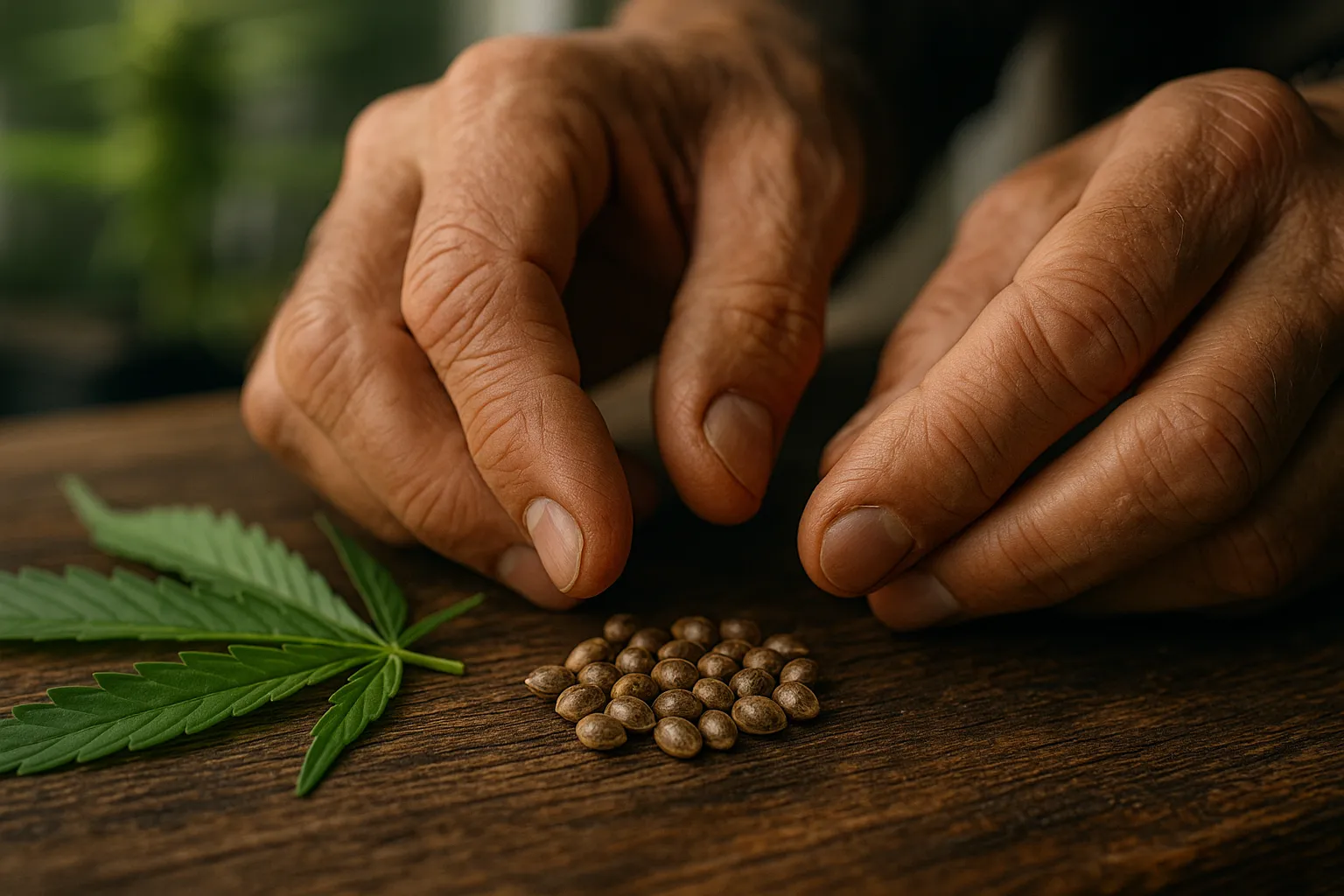
Knowing how to pick cannabis seeds correctly is one of the most important steps in growing healthy, productive plants. The right seeds set the foundation for flavor, potency, yield, and overall grow success, whether you are cultivating indoors or outdoors.
How to Pick Cannabis Seeds: Key Factors to Consider
Before you buy or germinate, take a moment to look beyond the strain name and packaging. Focus on these core factors to choose seeds that match your goals and growing conditions.
1. Decide on Your Growing Goals
Start by clarifying what you want from your plants. This helps narrow down seed types and genetics.
- Medical vs. recreational use: Medical growers may prioritize higher CBD, balanced THC:CBD ratios, or specific terpene profiles for pain, anxiety, or sleep. Recreational growers often look for higher THC and particular effects (energizing vs. relaxing).
- Yield vs. quality: Some strains are bred for heavy harvests, others for flavor and resin production. Decide whether you want maximum grams or top-shelf quality.
- Grow space and time: If you have limited height or need a fast turnaround, compact, quick-flowering varieties are ideal.
2. Choose the Right Seed Type
Understanding the main cannabis seed categories will help you pick seeds that fit your experience level and setup.
- Regular seeds: These can grow into male or female plants. They are great for breeders and purists who want strong genetics, but you will need to identify and remove males to avoid unwanted pollination.
- Feminized seeds: Bred to produce almost exclusively female plants, which grow the resinous buds most people want. They are ideal for beginners and for anyone focused on bud production rather than breeding.
- Autoflowering seeds: These plants switch from vegetative growth to flowering automatically based on age, not light cycle. They stay relatively small, finish quickly, and are good for discreet or fast harvests, but yields per plant may be smaller than photoperiod strains.
3. Match Genetics to Your Environment
Genetics determine how well a plant will handle your climate, lighting, and grow style.
- Indica-dominant strains: Typically shorter, bushier plants with faster flowering times and more relaxing effects. Often better suited to small indoor spaces.
- Sativa-dominant strains: Taller plants with longer flowering times and more uplifting effects. They can thrive outdoors in warm, long-season climates but may be challenging in small tents.
- Hybrids: Balanced crosses that combine traits from both indica and sativa. Many modern seeds are hybrids designed for resilience, yield, and flavor.
Consider whether you are growing indoors under artificial lights or outdoors with natural sunlight. Outdoor growers should look for mold-resistant and pest-resistant varieties, especially in humid or rainy regions.
4. Evaluate Seed Quality by Appearance and Feel
Once you have the right type and genetics, inspect the physical quality of the cannabis seeds themselves.
- Color: Mature, viable seeds are usually medium to dark brown, sometimes with lighter stripes or mottling. Very pale green or white seeds are often immature and may not germinate well.
- Shell condition: Healthy seeds have a firm, smooth, uncracked outer shell. Avoid seeds that are crushed, chipped, or wrinkled.
- Size and shape: While size varies by strain, seeds should be relatively uniform in shape and not flat or misshapen.
- Firmness test: Gently press a seed between your fingers. A good seed will feel hard and resist pressure; a weak or old seed may crack easily.
5. Check Seed Bank Reputation and Genetics
Where you buy your seeds matters as much as what you buy.
- Reputable breeders: Choose established seed banks or breeders known for stable genetics, germination guarantees, and clear strain information.
- Transparent details: Look for strain descriptions that include flowering time, expected yield, THC/CBD levels, terpene profiles, and recommended environment (indoor, outdoor, greenhouse).
- Customer reviews: Real grower feedback can reveal how seeds perform in different climates and setups, and whether the advertised traits are accurate.
6. Consider Flowering Time and Difficulty Level
Time and skill also affect how to pick cannabis seeds that are realistic for you.
- Flowering time: Shorter flowering strains (7 to 9 weeks) are ideal if you want faster harvests or live in regions with short summers. Longer flowering sativas may need 10 to 14 weeks.
- Grow difficulty: Beginners should start with robust, forgiving strains that tolerate minor mistakes. Advanced growers can explore more delicate genetics that demand precise feeding and environment control.
7. Storage and Freshness
Seed viability declines over time, especially if stored poorly.
- Fresh stock: Whenever possible, buy from vendors who turn over inventory quickly.
- Proper storage: Keep seeds cool, dark, and dry in an airtight container. Avoid heat, moisture, and direct light, all of which can reduce germination rates.
Putting It All Together: Picking Cannabis Seeds With Confidence
Learning how to pick cannabis seeds is about aligning your goals, environment, and experience with the right genetics and quality. Decide what effects and yields you want, choose between regular, feminized, or autoflowering seeds, and match indica, sativa, or hybrid strains to your grow space. Then, verify physical seed quality and buy from reputable breeders who provide clear, honest information.
With a thoughtful selection process, your seeds will give you a strong start, reduce common growing problems, and significantly increase your chances of a successful, satisfying harvest.