
How to Harvest CBD Plant
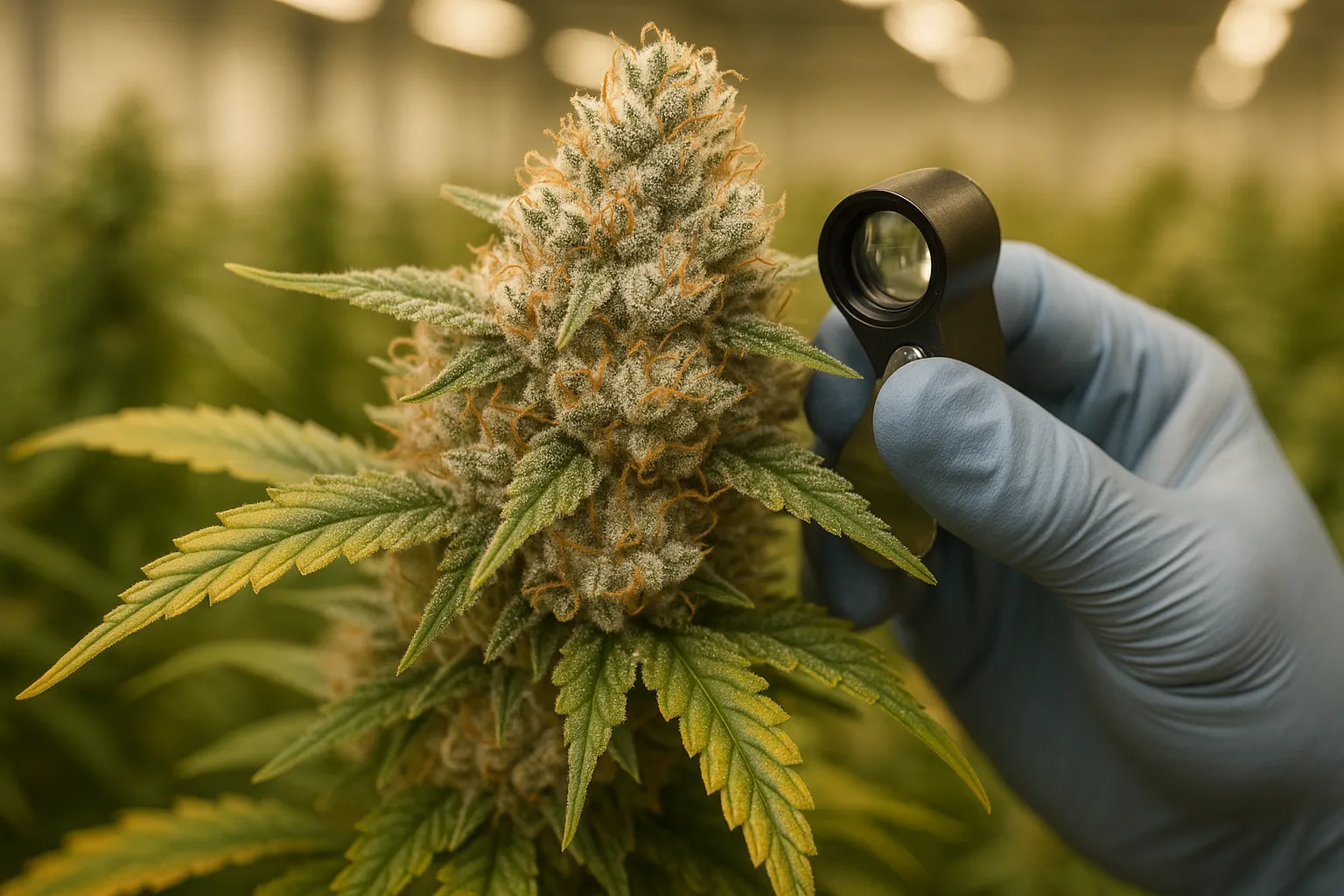
Knowing how to harvest CBD plant correctly is just as important as how you grow it. The right timing and technique can dramatically influence cannabinoid levels, terpene profile, flavor, and overall quality. This guide walks you through when and how to harvest, dry, and cure CBD-rich hemp or cannabis plants for the best possible results.
Understanding CBD Plant Maturity
Before you cut anything, you need to recognize when a CBD plant is truly ready. Harvesting too early reduces potency, while waiting too long can degrade cannabinoids.
Key visual signs of maturity
- Pistils (hairs) color: Early in flowering, pistils are white and straight. As the plant matures, they darken to orange, brown, or amber and curl inward. For most CBD strains, you want around 70 to 90 percent of pistils darkened.
- Bud density: Mature CBD flowers feel firm and swollen, not airy or fluffy. Calyxes (the small pod-like structures) should be plump.
- Leaf color: Fan leaves may start to yellow as the plant diverts energy to the buds. This is normal late in flowering, especially if you have reduced nutrients.
Using trichomes to decide when to harvest
The most accurate way to decide when to harvest is by examining trichomes, the tiny resin glands on buds and sugar leaves.
- Tools: Use a jeweler magnifier (around 30x) or a small digital microscope.
- Clear trichomes: Plant is not ready; CBD and other cannabinoids are still developing.
- Cloudy or milky trichomes: Peak potency for most CBD-dominant strains. This is the ideal harvest window for a balanced, clear effect.
- Amber trichomes: Indicates oxidation and conversion to other compounds. Some growers like 10 to 20 percent amber for a more relaxing effect, but too much amber can mean reduced CBD content.
For high-CBD hemp, many cultivators aim for mostly cloudy trichomes with a small portion just starting to turn amber.
How to Harvest CBD Plant Safely and Cleanly
Once your plants are ready, a clean and gentle harvest preserves trichomes and prevents contamination.
Preparation before cutting
- Flush if needed: If you use bottled nutrients, many growers flush with plain water for 7 to 10 days before harvest to reduce residual salts and improve flavor.
- Stop heavy feeding: Avoid strong fertilizers close to harvest to prevent harsh smoke or unpleasant taste in extracts.
- Choose the right time of day: Harvest in the early morning or just before lights come on; cannabinoid and terpene levels are often highest then.
- Sanitize tools: Clean pruning shears and scissors with isopropyl alcohol to reduce mold and bacteria risk.
Step by step harvest process
- Step 1: Turn off fans and lights. This prevents dried-out trichomes and reduces airborne dust during cutting.
- Step 2: Remove large fan leaves. Strip off big leaves without visible trichomes. This improves airflow during drying and makes trimming easier.
- Step 3: Cut branches or whole plant. For small grows, it is common to cut the plant at the base and hang the whole plant. For larger operations, cut individual branches and handle them by the stems, not the buds.
- Step 4: Gentle handling. Avoid squeezing or dropping flowers. Damaged trichomes mean lost cannabinoids and terpenes.
Wet trim vs dry trim
- Wet trim: You trim sugar leaves immediately after cutting. This is easier in humid climates where thick foliage can trap moisture and cause mold.
- Dry trim: You hang whole branches or plants first, then trim after drying. This can protect terpenes and slow drying, often improving smoothness and flavor.
Both methods can work well; choose based on your environment and workflow.
Drying CBD Plants for Quality and Safety
Drying is critical. Improper drying can destroy weeks of work by causing mold, harsh taste, or terpene loss.
Ideal drying conditions
- Temperature: Around 60 to 70 F (15 to 21 C).
- Humidity: 50 to 60 percent relative humidity.
- Airflow: Gentle, indirect air movement. Do not point fans directly at buds.
- Light: Keep the room dark; light degrades cannabinoids and terpenes.
Hang branches or whole plants upside down, spaced so that air can move freely around each one. Drying usually takes 7 to 14 days, depending on bud size and climate.
How to know when drying is finished
- Small stems bend and then snap instead of folding.
- Outer bud surface feels dry, but the interior is not brittle.
- Flowers can be gently pulled from stems without tearing apart.
Curing CBD Buds for Best Flavor and Effects
Curing is a slow aging process that stabilizes moisture, refines aroma, and can slightly improve perceived potency.
Basic curing method
- Trim buds: If you dry trimmed, finish manicuring buds now, removing excess sugar leaves.
- Jar storage: Place buds loosely in airtight glass jars, filling them about 70 to 80 percent full.
- Environment: Store jars in a cool, dark place.
Burping schedule
- First week: Open jars 1 to 2 times per day for 10 to 20 minutes to release moisture and refresh air.
- Second to fourth week: Open every few days.
- After one month: Jars can remain sealed long term, opened only when needed.
Proper curing usually takes at least 3 to 4 weeks, and many growers notice continued improvement up to 8 weeks or more.
Final Tips on How to Harvest CBD Plant Successfully
- Use clean tools and a tidy workspace to avoid contamination.
- Monitor temperature and humidity closely during drying and curing.
- Label each batch with strain, harvest date, and any notes about timing or appearance.
- Test small samples at different harvest windows to learn what works best for your genetics and goals.
Conclusion: When you understand how to harvest CBD plant at the right time and follow careful drying and curing practices, you protect the cannabinoids and terpenes you worked so hard to grow. With attention to trichomes, environment, and handling, you can consistently produce potent, aromatic CBD flower ready for personal use or further extraction.