
How Long Will Stored Seeds Last
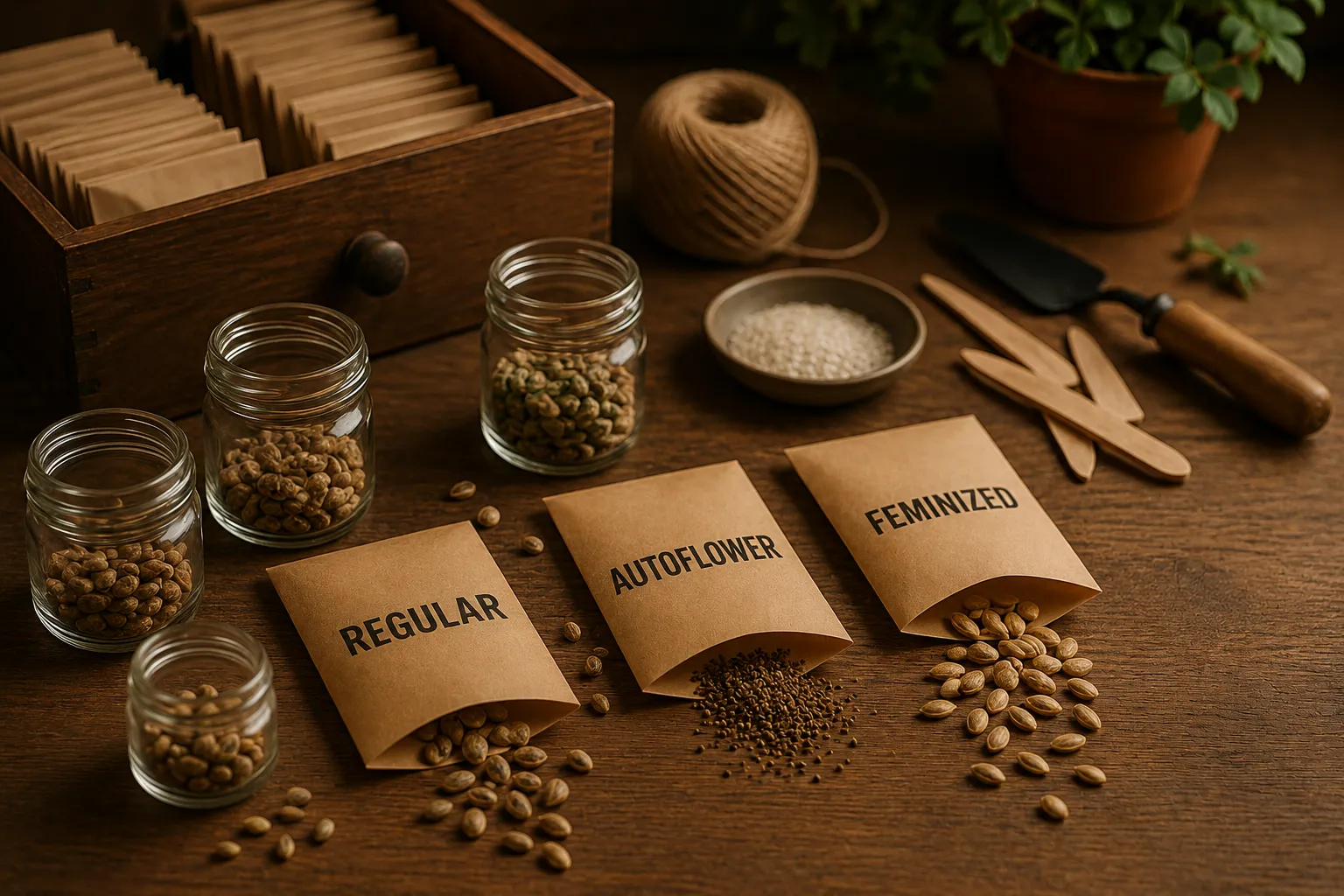
How long will stored seeds last is one of the most important questions for home gardeners, seed savers, and small growers. Understanding seed shelf life helps you plan plantings, avoid poor germination, and save money by keeping viable seeds for several seasons.
How Long Will Stored Seeds Last: General Seed Longevity
Seed viability varies widely by plant type, storage conditions, and seed quality at harvest. Under cool, dark, and dry storage, many common vegetable and flower seeds remain usable for several years. The following ranges assume reasonably good storage at home:
- 1 to 2 years (short-lived): onion, leek, parsnip, parsley, sweet corn, spinach
- 3 to 4 years (moderate): carrot, pepper, beans, peas, lettuce, radish, brassicas (cabbage, broccoli, kale)
- 5 to 6 years (long-lived): tomato, cucumber, melon, squash, pumpkin, many herbs and annual flowers
These are guidelines, not strict expiration dates. Some seeds germinate well long past the typical range, while others decline earlier if stored poorly.
Key Factors That Affect How Long Seeds Last
1. Moisture
Moisture is the fastest killer of stored seeds. Seeds are living embryos that should remain dormant until you intentionally germinate them. Too much humidity can cause:
- Mold growth on or inside the seed
- Premature sprouting in storage
- Cell damage from repeated moisture swings
For best longevity, keep seeds in a dry place with low humidity, ideally under 40 to 50 percent relative humidity.
2. Temperature
Cool temperatures greatly extend seed shelf life. A common rule is that the sum of temperature (in Fahrenheit) and relative humidity should be under 100 for long-term storage. For example:
- 60 F and 30 percent humidity is good
- 75 F and 70 percent humidity is very poor
Basements, unheated closets on interior walls, or a refrigerator can all work, as long as seeds stay dry.
3. Light Exposure
Light, especially sunlight, can warm and degrade seeds over time. Store them in opaque containers or envelopes in a dark drawer or box. Avoid clear jars left on windowsills.
4. Seed Maturity and Initial Quality
Seeds harvested from fully mature, healthy plants and properly dried will last longer. Immature or damaged seeds have shorter life spans, even if stored perfectly.
Best Practices for Storing Seeds at Home
Choose the Right Containers
Good containers help control moisture and protect seeds from pests. Suitable options include:
- Paper envelopes inside a sealed box or jar for small seed collections
- Glass jars with tight lids for longer-term storage (add a desiccant pack)
- Resealable plastic bags placed inside a larger airtight container
Control Humidity with Desiccants
To keep seeds dry, add a moisture absorber:
- Silica gel packets saved from packages
- Homemade desiccant using dry rice in a small breathable pouch
Replace or re-dry desiccants if you notice condensation or dampness.
Refrigerator vs. Freezer Storage
Refrigerator (around 40 F) is ideal for most gardeners. It is cool, fairly dry, and stable. Place seeds in airtight containers to prevent moisture from condensation.
Freezer storage can extend life further for many species, but only if seeds are very dry before freezing. Freezing damp seeds can damage them. For routine home use, a refrigerator is usually sufficient.
Typical Lifespan of Popular Garden Seeds
Here are approximate viability ranges under good storage conditions:
- 1 to 2 years: onion, leek, chive, parsnip, parsley, sweet corn, spinach
- 3 years: carrot, pepper, bean, pea, okra, beet, Swiss chard
- 3 to 4 years: lettuce, radish, turnip, cabbage family (cabbage, cauliflower, kale, Brussels sprouts)
- 4 to 6 years: tomato, cucumber, melon, pumpkin, squash, many annual flowers
If your seeds are older than these ranges, they might still sprout, but expect reduced germination rates.
How to Test Old Stored Seeds for Viability
Before discarding old packets, run a simple germination test:
- Count out 10 or 20 seeds.
- Place them on a damp paper towel, fold, and seal in a plastic bag.
- Keep at the appropriate temperature for that crop (often room temperature).
- Check daily and count how many sprout within the normal germination window.
If at least 70 percent germinate, your seeds are still quite usable. With lower results, you can sow more thickly in the garden to compensate or replace the seed.
When to Replace Stored Seeds
Replace seeds when:
- They are past the typical lifespan for that crop and germination tests are poor.
- Packets show signs of mold, insects, or water damage.
- They are critical crops where failure would significantly affect your harvest.
Conclusion
Understanding how long stored seeds will last helps you balance thrift with reliability in your garden. Most seeds remain viable far beyond a single season if kept cool, dark, and dry, but each crop has its own natural lifespan. By storing seeds properly, monitoring age, and testing germination on older batches, you can enjoy vigorous plants while reducing waste and making the most of every packet.