
Does Hydrogen Peroxide Help Germinate Seeds
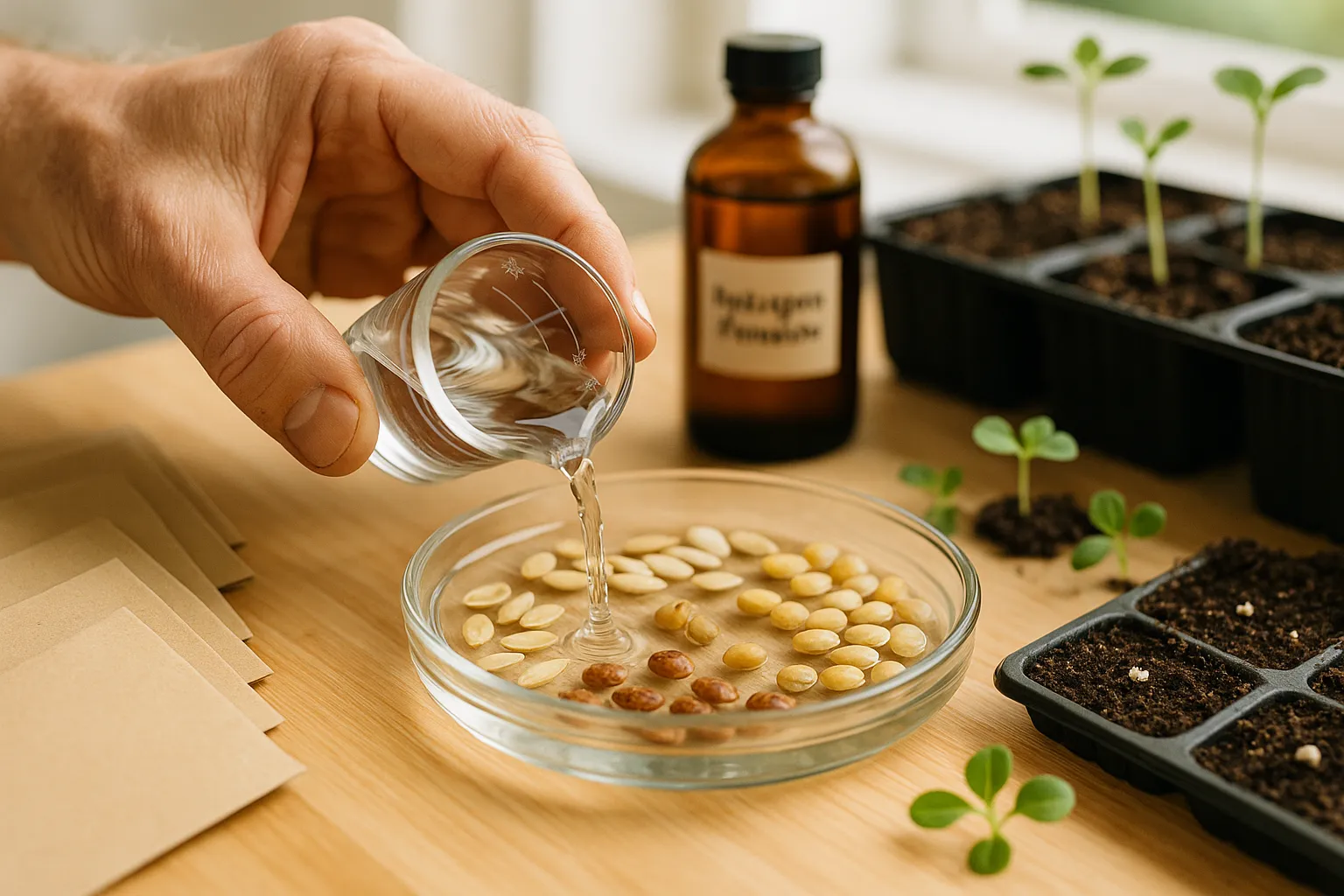
Many gardeners wonder, does hydrogen peroxide help germinate seeds in a safe and effective way? Used correctly, this common household product can improve seed germination, reduce fungal problems, and give seedlings a stronger start.
How Hydrogen Peroxide Works for Seed Germination
Hydrogen peroxide (H2O2) is simply water with an extra oxygen atom. When it breaks down, it becomes water and oxygen. This extra oxygen is the key to why it can support seed germination and early root growth.
- Extra oxygen supply: Seeds need oxygen to start metabolic activity. A diluted hydrogen peroxide solution increases available oxygen around the seed coat.
- Mild disinfectant action: Hydrogen peroxide can help kill surface pathogens such as fungi, mold spores, and some bacteria that interfere with sprouting.
- Cleaner seed surface: By reducing microbial load, it lowers the risk of damping off and other seedling diseases in the early stages.
Because of these properties, many growers use hydrogen peroxide as part of seed starting routines, especially for older seeds or varieties prone to mold.
Does Hydrogen Peroxide Help Germinate Seeds More Quickly?
In many cases, yes. Research and grower experience suggest that properly diluted hydrogen peroxide can:
- Improve germination rates for some species, especially older or hard-to-sprout seeds
- Speed up the time it takes for seeds to crack and send out a root
- Reduce seed losses from rot in damp seed-starting conditions
However, results vary by plant species, seed age, and overall growing conditions. Hydrogen peroxide is a helpful tool, not a magic solution. Strong genetic factors, correct temperature, moisture, and light remain more important than any treatment.
Safe Dilution Ratios for Seed Soaking
To use hydrogen peroxide safely, dilution is essential. Most household hydrogen peroxide is a 3 percent solution. For seed germination, gardeners typically use mild solutions to avoid damaging the seed embryo.
Common Dilution Ratios
- Light treatment (general use): 1 teaspoon of 3% hydrogen peroxide in 1 cup (240 ml) of water.
- Short pre-soak: Up to 1 tablespoon of 3% hydrogen peroxide per cup of water for harder seeds, soaked for a shorter time.
Always mix fresh solution just before use, and discard leftovers. Overly strong solutions or very long soaking times can harm seeds instead of helping them.
Practical Ways to Use Hydrogen Peroxide for Seeds
1. Pre-Soaking Seeds Before Planting
Pre-soaking is the most common method for using hydrogen peroxide with seeds.
- Prepare a diluted solution using 3% hydrogen peroxide and clean water.
- Place seeds in a clean glass or small container.
- Pour the solution over the seeds, just enough to cover them.
- Soak for 15 minutes to 4 hours depending on seed size and hardness:
- Small or delicate seeds: 15 to 30 minutes.
- Medium seeds (tomatoes, peppers): about 1 hour.
- Large or hard seeds (peas, beans): up to 4 hours.
- Rinse seeds gently with plain water after soaking.
- Sow immediately in your chosen seed-starting medium.
2. Sterilizing Seed-Starting Mix and Equipment
Hydrogen peroxide can also be used to reduce pathogens in potting soil, seed trays, and tools.
- Mix a mild solution of hydrogen peroxide and water in a spray bottle.
- Lightly mist seed trays, pots, and tools, allowing them to air dry.
- For seed-starting mix, moisten the soil with the diluted solution before sowing.
This helps limit mold and algae growth on the soil surface, which can stress young seedlings.
3. Watering Seedlings With Diluted Hydrogen Peroxide
Some gardeners continue to use a weak hydrogen peroxide solution when watering young seedlings.
- Use a very mild mix, for example 1 teaspoon per cup of water.
- Apply every second or third watering, not every time.
- Monitor plants carefully and stop if leaves show stress or discoloration.
This approach can help keep the root zone more oxygenated and discourage fungal growth, but it must be done gently and not overused.
Benefits and Risks of Using Hydrogen Peroxide on Seeds
Key Benefits
- Improved germination hygiene: Reduces mold and fungal spores on seed surfaces.
- Better oxygen availability: Supports early root development in poorly aerated conditions.
- Helpful for problem seeds: Particularly useful for older seeds or those with a history of poor germination.
Potential Risks
- Over-concentration: Strong solutions can burn seed coats and kill embryos.
- Excess soaking time: Prolonged soaking can lead to waterlogging and oxygen deprivation.
- False security: It cannot compensate for poor quality seed, wrong temperature, or improper planting depth.
Always start with conservative dilutions and short soak times, then adjust based on your results and the specific crop.
Best Practices for Using Hydrogen Peroxide to Help Germinate Seeds
- Use only 3% food-grade or pharmacy-grade hydrogen peroxide.
- Measure carefully and dilute with clean, room-temperature water.
- Test on a small batch of seeds before treating an entire packet.
- Combine with good seed-starting practices: sterile containers, quality seed-starting mix, and proper temperature and light.
- Store hydrogen peroxide in a dark bottle, tightly sealed, and replace it if it is old or has been exposed to light for long periods.
Conclusion: Should You Use Hydrogen Peroxide for Seed Germination?
So, does hydrogen peroxide help germinate seeds? When used correctly and in moderation, it can support faster, cleaner germination and reduce disease pressure, especially in challenging conditions. It is not essential for every gardener or every crop, but it can be a valuable tool in your seed-starting toolkit. Focus first on high-quality seeds, proper moisture, and the right temperature, and then consider hydrogen peroxide as a helpful supplement rather than a cure-all.