
Cialis and Cannabis Interaction
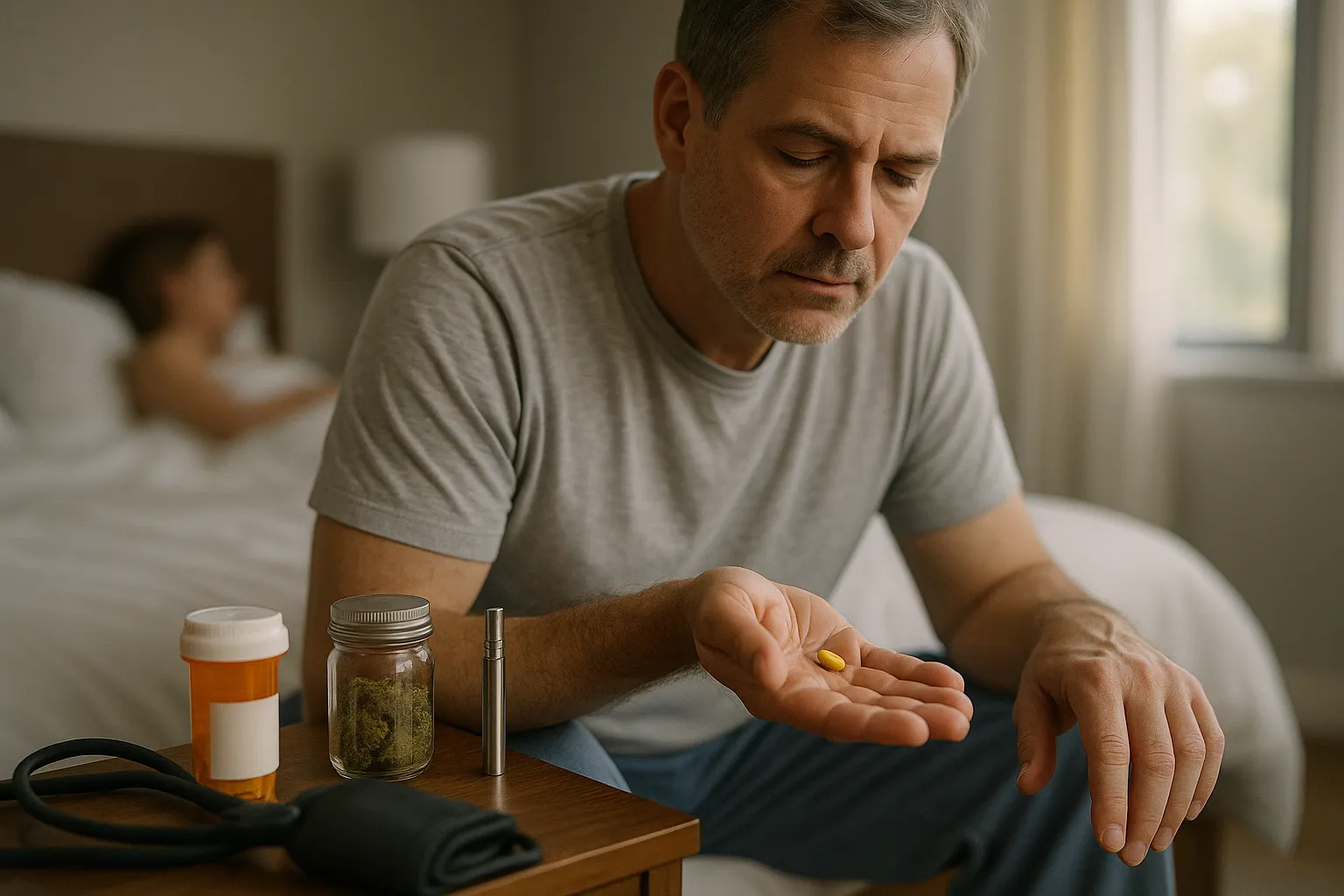
Understanding the potential Cialis and cannabis interaction is important if you use erectile dysfunction medication and also consume marijuana, whether medically or recreationally. Both substances affect blood vessels, blood pressure, and sometimes mood, so combining them can change how each one works and may increase the risk of side effects.
How Cialis Works
Cialis (tadalafil) is a prescription medication used to treat erectile dysfunction (ED) and sometimes benign prostatic hyperplasia (BPH). It belongs to a group of drugs called phosphodiesterase type 5 (PDE5) inhibitors.
In simple terms, Cialis:
- Helps relax and widen blood vessels in the penis
- Improves blood flow when you are sexually stimulated
- Can work for up to 36 hours, giving it the nickname "the weekend pill"
Because Cialis affects blood vessels and blood pressure, anything else that influences circulation or heart function can potentially interact with it.
How Cannabis Affects the Body
Cannabis contains many active compounds, mainly THC (tetrahydrocannabinol) and CBD (cannabidiol). These interact with the endocannabinoid system, which influences mood, pain, appetite, and cardiovascular function.
Depending on the dose, strain, and method of use, cannabis may:
- Increase heart rate (tachycardia), especially with THC
- Cause a short-term drop in blood pressure, sometimes leading to dizziness
- Alter perception, anxiety levels, and overall sexual experience
- Interact with liver enzymes (CYP450) that process many medications
These cardiovascular and metabolic effects are the main reasons health professionals are cautious about combining cannabis with heart or blood pressure medications.
Cialis and Cannabis Interaction: Potential Risks
Research specifically focused on Cialis and cannabis together is limited, but based on what is known about each substance, several potential concerns arise.
1. Low Blood Pressure and Dizziness
Both Cialis and cannabis can lower blood pressure. When used together, this effect may be stronger and could cause:
- Lightheadedness or dizziness, especially when standing up quickly
- Fainting (syncope) in more extreme cases
- Blurred vision or feeling "out of it"
This risk may be higher if you already take blood pressure medication, drink alcohol, or are dehydrated.
2. Increased Heart Strain
THC can raise heart rate, while Cialis changes blood flow and vessel dilation. In some people, this combination could put extra strain on the cardiovascular system, particularly if they have:
- Coronary artery disease or a history of heart attack
- Uncontrolled high blood pressure
- Arrhythmias or other heart rhythm problems
Anyone with heart disease should speak with a healthcare professional before using either Cialis or cannabis, and especially before combining them.
3. Metabolism and Drug Levels
Both tadalafil and cannabinoids are processed in the liver, mainly by CYP3A4 and related enzymes. Heavy or chronic cannabis use might alter how quickly some drugs are broken down. This could theoretically:
- Increase Cialis levels in the blood, raising the chance of side effects such as headache, flushing, or muscle aches
- Or, in some cases, reduce Cialis effectiveness if metabolism is increased
Because individual responses vary, careful monitoring and open communication with your doctor are important.
Possible Effects on Sexual Performance
Many people use Cialis to improve erectile function and cannabis to relax or reduce anxiety. However, the combination does not always improve sexual performance.
Potential outcomes include:
- Improved relaxation but reduced control: Some users feel more relaxed but may struggle with focus or coordination.
- Changes in arousal: THC can either enhance or reduce sexual desire depending on dose and individual sensitivity.
- Delayed reaction time: Being very high can interfere with sexual communication and consent, which is a safety and relationship concern.
CBD-dominant products may have fewer psychoactive effects than THC-heavy strains, but they can still interact at a metabolic level.
Safer Use Tips if You Combine Cialis and Cannabis
If you and your healthcare provider decide it is acceptable to use both, consider the following precautions:
- Start low, go slow: Use the lowest effective doses of both Cialis and cannabis, especially the first few times you combine them.
- Avoid heavy alcohol use: Alcohol further lowers blood pressure and increases dizziness and fainting risk.
- Change positions slowly: Stand up gradually from sitting or lying to reduce lightheadedness.
- Know your heart health: If you have chest pain, shortness of breath, or a history of heart disease, get medical advice before using either substance.
- Choose timing carefully: Because Cialis can last up to 36 hours, cannabis used many hours later may still interact.
- Monitor side effects: Watch for severe headache, chest pain, vision changes, or prolonged erection lasting more than 4 hours, and seek urgent care if they occur.
When to Talk to a Doctor
You should speak with a healthcare professional before combining Cialis and cannabis if you:
- Have heart disease, high blood pressure, or take nitrates
- Use multiple medications that affect blood pressure or heart rate
- Use cannabis daily or in high doses
- Experience dizziness, fainting, or chest discomfort during sex
Be honest about your cannabis use; your provider is there to help you stay safe, not to judge.
Conclusion
The Cialis and cannabis interaction is not fully understood, but both substances affect blood pressure, heart function, and liver metabolism. For many healthy people, occasional combined use may not cause serious problems, but there is real potential for dizziness, low blood pressure, and cardiovascular strain, especially in those with underlying conditions. Using low doses, avoiding alcohol, and consulting a healthcare professional are the best ways to reduce risk and protect both your sexual health and overall well-being.