
Cannabis Possession Laws Explained in Washington State
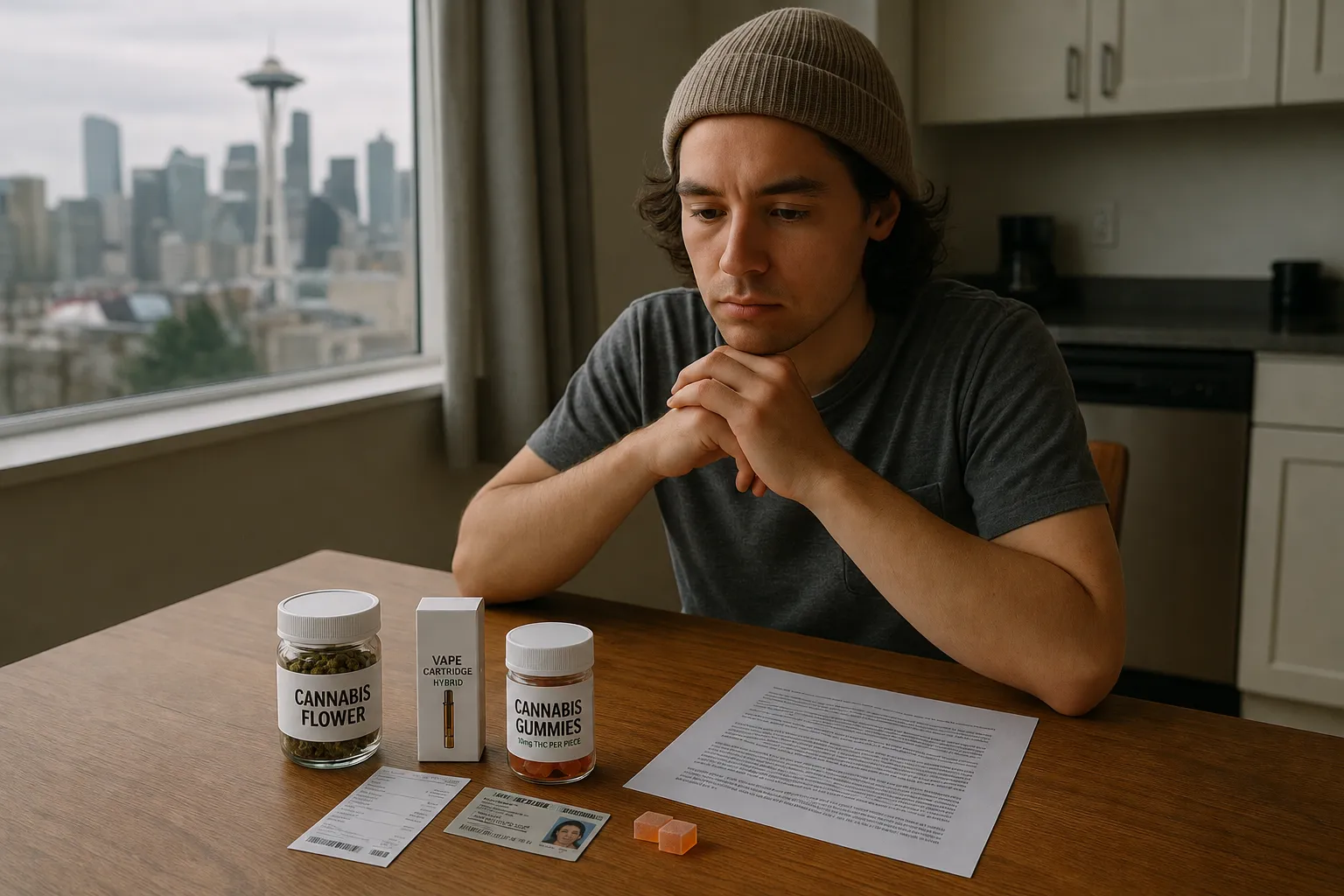
Understanding cannabis possession laws explained in Washington State is essential whether you are a resident, visitor, medical patient, or business owner. While Washington was one of the first states to legalize recreational marijuana, there are still clear limits, restrictions, and penalties that everyone should know to stay on the right side of the law.
Key Facts: Cannabis Possession Laws Explained in Washington State
Washington law allows adults 21 and older to possess and use cannabis, but only within specific limits and settings. Cannabis remains tightly regulated, and violations can still lead to criminal charges or civil penalties.
- Legal age: 21 and over for recreational use.
- Medical patients: May qualify for higher possession limits with proper authorization.
- Public use: Still prohibited, similar to open container rules for alcohol.
- Driving: Drugged driving laws apply; cannabis DUIs are aggressively enforced.
Legal Possession Limits for Adults
Adults aged 21 or older can legally possess the following amounts of cannabis purchased from a licensed retailer in Washington State:
- Usable cannabis (flower): Up to 1 ounce (28 grams).
- Cannabis-infused edibles (solid form): Up to 16 ounces total.
- Cannabis-infused liquids: Up to 72 ounces total.
- Concentrates (oils, wax, shatter, vape cartridges): Up to 7 grams.
Possessing more than these amounts may result in fines or criminal charges, depending on the quantity and circumstances. It is important to keep purchase receipts and store products in original packaging when possible, especially while transporting them.
Medical Marijuana Possession Rules
Registered medical marijuana patients in Washington can generally possess larger amounts than recreational users, as long as they have valid authorization from a health care professional and, ideally, are entered in the state medical cannabis database.
Common medical possession allowances include:
- Up to 3 ounces of usable cannabis.
- Higher limits for infused products and concentrates, as authorized.
- The ability to grow a limited number of plants at home, if properly authorized.
Medical rules can change and may depend on patient status and registration, so patients should confirm current limits with the Washington State Department of Health or a qualified attorney.
Where You Can and Cannot Use Cannabis
Even within legal possession limits, there are strict rules about where you can consume cannabis in Washington:
Permitted Use
- Private residences: Consumption is generally allowed, subject to landlord or housing rules.
- Private property with permission: Owners can set their own policies, as long as they comply with state law.
Prohibited Use
- Public places: Parks, sidewalks, streets, and other public spaces are off-limits.
- Vehicles: Using cannabis in a car, even as a passenger, is prohibited.
- Near schools or federal property: Extra caution is required due to overlapping state and federal rules.
Violations of public consumption rules can result in citations and fines, even if you are within legal possession limits.
Driving and Cannabis: DUI Laws
Washington enforces strict driving under the influence (DUI) laws for cannabis. The state uses a per se THC blood limit, similar to blood alcohol concentration for alcohol-related DUIs.
- THC limit: 5 nanograms of active THC per milliliter of blood for drivers 21 and older.
- Zero tolerance for minors: Any detectable THC can lead to penalties for drivers under 21.
Penalties for a cannabis DUI can include fines, license suspension, mandatory treatment, probation, and even jail time, especially for repeat offenses or accidents causing injury.
Federal Law and Cannabis in Washington
Although Washington has legalized cannabis at the state level, marijuana remains illegal under federal law. This conflict creates several important issues:
- Federal property: Possession is prohibited in national parks, federal buildings, and on some tribal lands.
- Firearms ownership: Federal law treats cannabis users as unlawful users of a controlled substance for gun background checks.
- Employment: Employers, especially federal contractors, may maintain drug-free workplace policies and conduct testing.
Anyone living, working, or traveling on or near federal property should be particularly careful, as federal penalties can be serious.
Penalties for Violating Washington Cannabis Laws
Consequences for violating cannabis possession laws in Washington State vary based on the type and severity of the violation:
- Minor infractions: Public consumption or small overages may lead to civil fines.
- Misdemeanors: Larger overages, unlicensed sales, or providing cannabis to minors can result in criminal charges.
- Felonies: Large-scale distribution, involvement with minors, or trafficking across state lines can bring serious felony charges.
In addition to fines and possible jail time, convictions can affect employment, housing opportunities, and immigration status.
Practical Tips for Staying Compliant
- Always carry valid ID showing you are 21 or older when purchasing or possessing cannabis.
- Buy only from licensed Washington State retailers and keep products in their original containers.
- Store cannabis securely at home, out of reach of minors and pets.
- Do not take cannabis across state lines, even to other legal states.
- Avoid driving after using cannabis; arrange a sober ride or wait until you are unimpaired.
Conclusion
Having cannabis possession laws explained in Washington State helps clarify what is allowed and what can still lead to legal trouble. Adults 21 and older may legally possess and use cannabis within defined limits, but restrictions on public use, driving, and federal property remain strict. By understanding the rules on possession, consumption, medical use, and penalties, you can make informed decisions and enjoy the benefits of legalization while minimizing legal risk.