
Cannabis Laws in North Carolina
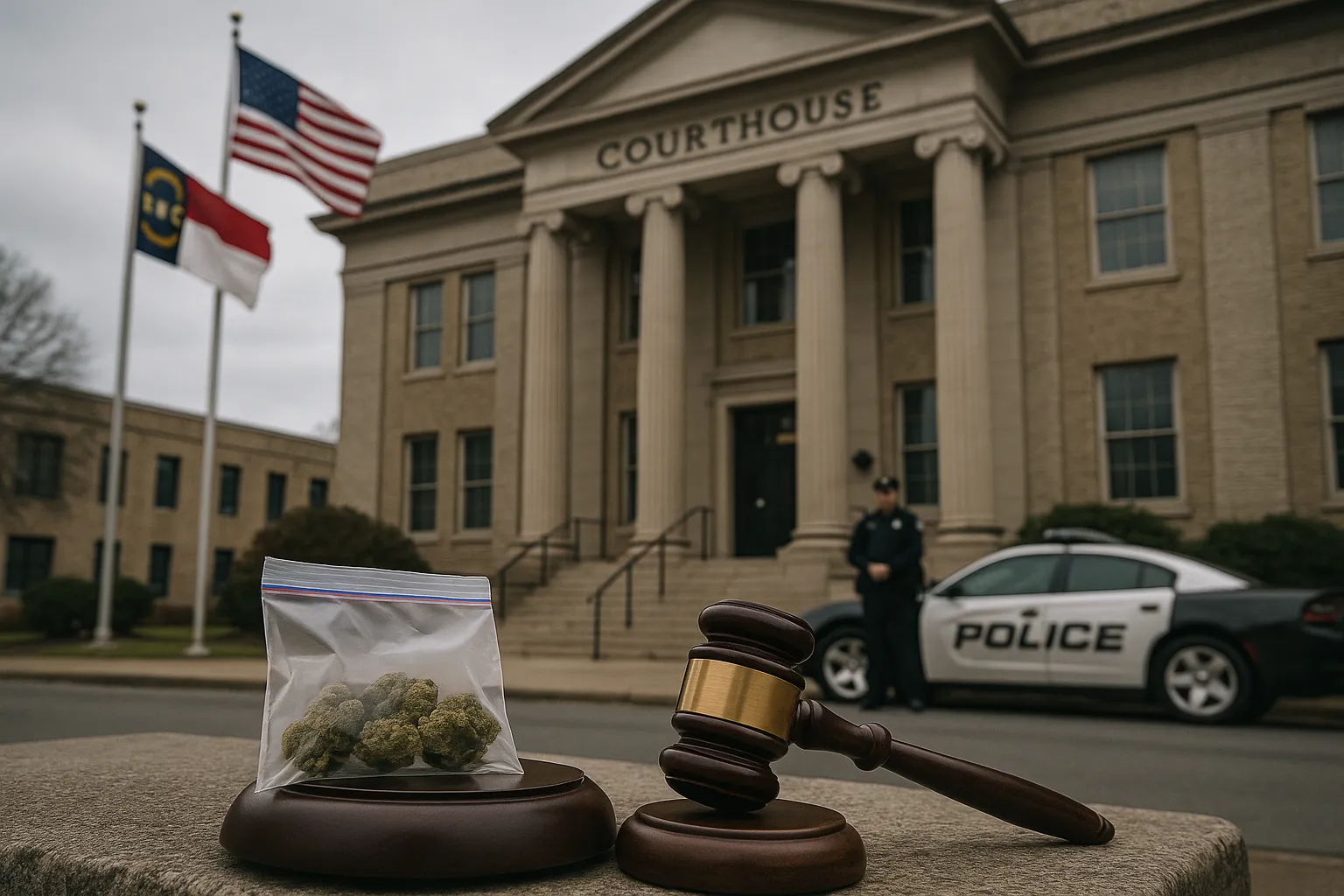
Cannabis laws in North Carolina are among the more restrictive in the United States, and the legal landscape can be confusing for residents and visitors alike. Understanding what is legal, what remains strictly prohibited, and what might change in the future is essential to avoid serious criminal penalties and to make informed decisions.
Current Status of Cannabis Laws in North Carolina
North Carolina has not legalized recreational marijuana, and it has only a very limited medical cannabis framework. State law continues to treat most possession, sale, and cultivation of marijuana as criminal offenses.
Recreational cannabis
- Illegal: Any non-medical use of marijuana is against state law.
- No legal dispensaries: Retail sales of cannabis products for recreational use are prohibited.
- Crossing state lines: Bringing cannabis into North Carolina from a legal state remains illegal under both state and federal law.
Medical cannabis in North Carolina
North Carolina has not implemented a comprehensive medical marijuana program. Instead, it has a narrow, low-THC allowance:
- CBD oil: Under a limited law, certain patients with intractable epilepsy may legally use hemp-derived CBD oil with very low THC content.
- No broad patient registry: There is no statewide system allowing patients with conditions like cancer, chronic pain, or PTSD to access full-strength medical cannabis.
- Physician role: Doctors cannot prescribe marijuana, and there are no licensed medical cannabis dispensaries in the state.
Possession and Penalties Under Cannabis Laws in North Carolina
Penalties for marijuana possession vary based on the amount involved, and even small quantities can have lasting consequences.
Simple possession
- Up to 0.5 ounce: Typically charged as a Class 3 misdemeanor. This is punishable by a fine (often up to 200 dollars) and may appear on your criminal record, even though jail time is unlikely for first-time offenders.
- 0.5 ounce to 1.5 ounces: Treated as a Class 1 misdemeanor, which carries the possibility of higher fines and potential jail time.
- More than 1.5 ounces: Possession of larger amounts can be charged as a felony, with significantly more serious penalties.
Possession with intent, sale, and distribution
When law enforcement believes cannabis is intended for sale or distribution, the charges escalate quickly:
- Possession with intent to sell or deliver: Often a felony, depending on the amount and circumstances.
- Sale or delivery: Felony charges that may bring substantial prison time and heavy fines.
- Proximity enhancements: Selling near schools, parks, or certain public areas can lead to enhanced penalties.
Driving under the influence
Driving while impaired by cannabis is illegal, even though there is no specific per se THC limit in North Carolina. Officers rely on observable impairment, field sobriety tests, and, in some cases, blood tests. A conviction can lead to:
- License suspension
- Fines and court costs
- Possible jail time, especially for repeat offenders
Hemp, CBD, and Cannabis Laws in North Carolina
The legalization of industrial hemp and federal changes around hemp-derived products have added complexity to cannabis laws in North Carolina.
- Hemp-derived CBD: Products containing less than 0.3 percent THC by dry weight are generally legal under federal and state law, provided they comply with manufacturing and labeling rules.
- Delta-8 and similar cannabinoids: Some hemp-derived intoxicating products occupy a gray area and may face tighter regulation or enforcement. Laws and regulations in this space can change quickly.
- Product quality: Consumers should look for third-party lab testing and buy from reputable sources to reduce the risk of contaminated or mislabeled products.
Future of Cannabis Laws in North Carolina
Lawmakers have debated several proposals to reform cannabis laws in recent years, including medical marijuana bills and decriminalization measures. While none have yet created a full medical or adult-use market, public opinion is shifting, and the topic remains active in the state legislature.
Potential changes could include:
- Expanded medical cannabis access for patients with serious medical conditions
- Reduced penalties or civil fines for small amounts of marijuana
- Clearer regulation of hemp-derived cannabinoids and CBD products
Until any new law is passed and implemented, however, existing criminal penalties remain in effect.
Practical Tips for Staying Compliant
- Do not assume legality based on other states: Even if you are coming from a state with legal cannabis, those rules do not apply once you are in North Carolina.
- Be cautious with products labeled as hemp or CBD: Make sure they are compliant with THC limits and purchased from reputable vendors.
- Know your rights: If you are stopped by law enforcement, you generally have the right to remain silent and to request an attorney.
- Consult a lawyer for legal issues: If you face charges under cannabis laws in North Carolina, speak with a qualified criminal defense attorney promptly.
Conclusion
Cannabis laws in North Carolina remain strict, with no legal recreational use and only a narrow medical exception for certain low-THC products. Possession, sale, and cultivation can bring significant criminal penalties, and the rules around hemp and CBD products continue to evolve. Staying informed, exercising caution, and seeking legal advice when needed are the best ways to navigate the current legal environment while the state continues to debate potential reforms.