
Cannabis Laws by State
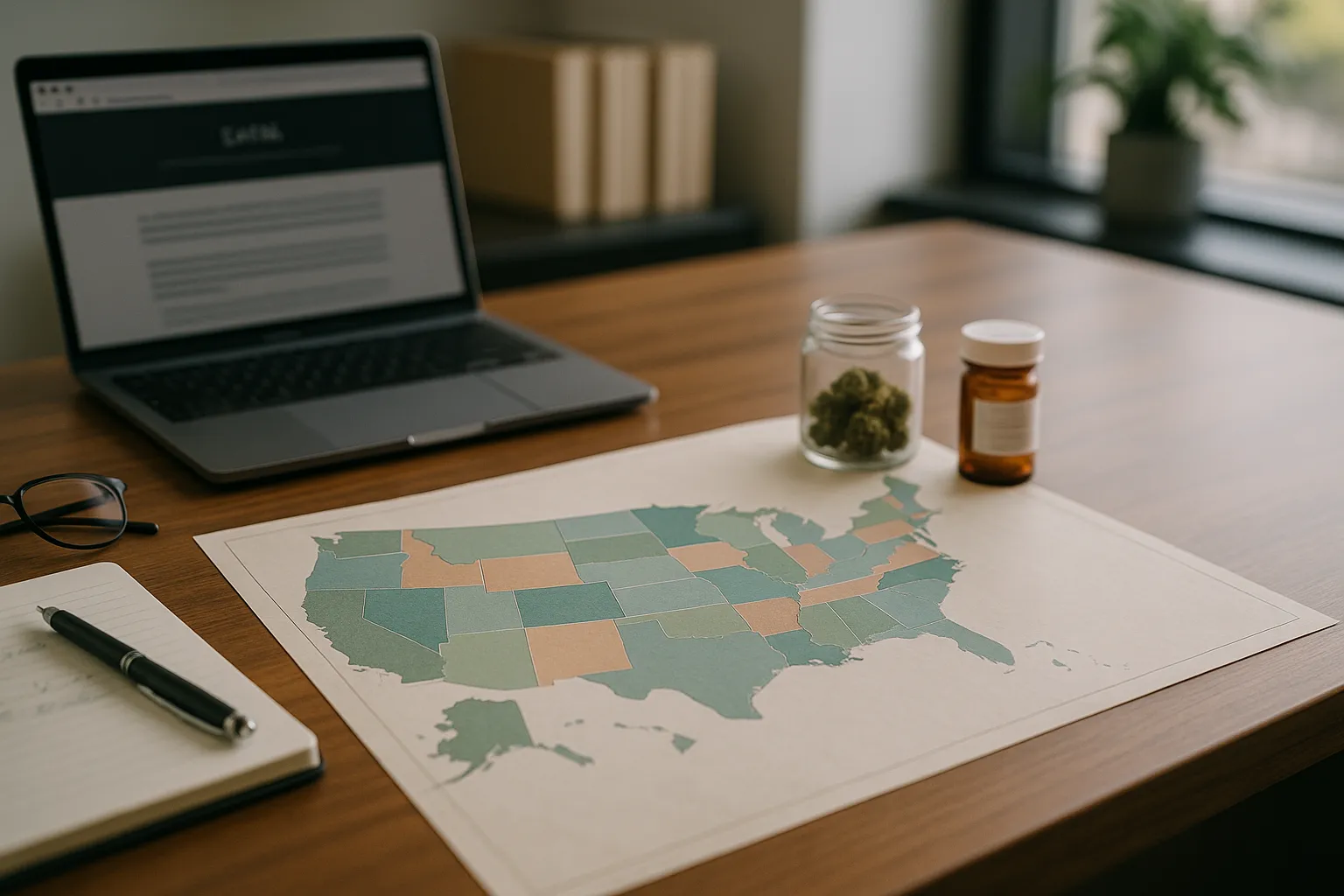
Understanding cannabis laws by state is essential for anyone who uses, sells, or works with cannabis in the United States. Because there is no single nationwide standard, every state has its own rules on medical marijuana, recreational use, possession limits, and penalties. This guide offers a clear overview so you can stay informed and compliant wherever you live or travel.
Why Cannabis Laws by State Are So Different
Under federal law, cannabis remains classified as a Schedule I controlled substance. However, many states have created their own legal frameworks for medical or adult-use (recreational) cannabis. This tension between federal prohibition and state legalization creates a patchwork of regulations.
Key reasons for differences include:
- Voter initiatives: Many states legalized cannabis through ballot measures, often with unique rules on possession and retail sales.
- State legislatures: Other states passed cannabis reform through legislative bills, usually with more detailed regulatory structures.
- Local control: Cities and counties can often restrict or ban dispensaries, even where state law allows them.
Major Categories of Cannabis Laws by State
While every state has its nuances, most fall into one of four broad categories:
- Full adult-use legalization: Both medical and recreational cannabis are legal, with regulated retail markets.
- Medical marijuana only: Cannabis is legal for qualified patients with a medical card or physician certification.
- Limited medical or CBD-only: Low-THC or cannabidiol (CBD) products are permitted for specific medical conditions.
- Prohibition or near-prohibition: Cannabis remains illegal for most purposes, with criminal penalties for possession.
Adult-Use Legalization States
In adult-use states, adults 21 and older can typically purchase and possess cannabis from licensed retailers. Common features include:
- Possession limits: Often around 1 ounce (28 grams) of flower and smaller amounts of concentrates, though limits vary.
- Home cultivation: Some states allow adults to grow a limited number of plants at home, usually 4 to 12 plants per residence.
- Taxation and regulation: States impose excise taxes, test products for safety, and regulate advertising and packaging.
Even in legal states, it is usually illegal to:
- Use cannabis in public places.
- Drive under the influence of THC.
- Transport cannabis across state lines.
Medical Marijuana Programs
Medical cannabis programs are now widespread, though eligibility and access differ greatly. Typical elements include:
- Qualifying conditions: Chronic pain, cancer, epilepsy, PTSD, and multiple sclerosis are commonly approved conditions.
- Patient registration: Patients often must join a state registry and receive a medical marijuana card.
- Product types: Many programs allow flower, edibles, tinctures, oils, and topicals, but some limit smokable forms.
- Purchase limits: Patients may buy larger amounts than recreational users, but daily or monthly caps still apply.
Caregiver provisions may allow designated individuals to purchase or grow cannabis for registered patients, especially minors or those with mobility issues.
States with Limited or CBD-Only Laws
Some states do not have full medical marijuana programs but allow limited use of low-THC or CBD products for specific medical conditions, such as severe epilepsy. These programs often:
- Restrict THC content to very low levels.
- Require physician oversight and documentation.
- Offer limited access to licensed producers or pharmacies.
In these states, possession of high-THC cannabis can still lead to criminal charges, even for medical purposes.
Prohibition States and Criminal Penalties
A small number of states maintain broad prohibitions on cannabis. In these jurisdictions:
- Simple possession: Even small amounts may be a misdemeanor or felony, depending on quantity and prior offenses.
- Paraphernalia: Pipes, vaporizers, and other accessories may also be regulated.
- Decriminalization: Some states reduce penalties for small amounts to civil fines, but cannabis remains technically illegal.
Practical Tips for Navigating Cannabis Laws by State
For Consumers
- Check current laws: State regulations change frequently. Always confirm possession limits and legal status before travel.
- Respect local rules: Even in legal states, landlords, hotels, and employers may prohibit cannabis use.
- Store safely: Keep cannabis locked away from children and pets, and transport it in sealed containers.
- Avoid interstate transport: Crossing state lines with cannabis can trigger federal jurisdiction and harsher penalties.
For Businesses and Professionals
- Licensing: Dispensaries, cultivators, and manufacturers must follow detailed state licensing and compliance rules.
- Banking and payments: Because of federal law, many cannabis businesses face limited access to traditional banking services.
- Employment policies: Employers should update workplace policies to reflect state law while maintaining safety standards.
- Record-keeping: Track inventory, sales, and testing to meet regulatory requirements and prevent diversion.
How to Stay Up to Date on Cannabis Laws by State
Cannabis policy evolves quickly, with new ballot measures, legislative reforms, and court decisions every year. To stay informed:
- Visit official state government websites and health department pages.
- Consult reputable legal resources or attorneys for business decisions.
- Follow updates from advocacy organizations and industry associations.
- Review local city and county ordinances, not just statewide laws.
Conclusion
The patchwork of cannabis laws by state can be confusing, but understanding the basic categories and key rules will help you make safer, more informed choices. Whether you are a patient, adult consumer, or business owner, always check current state and local regulations, respect federal restrictions on interstate transport, and approach cannabis use with responsibility and care.