
Cannabis Cultivation License
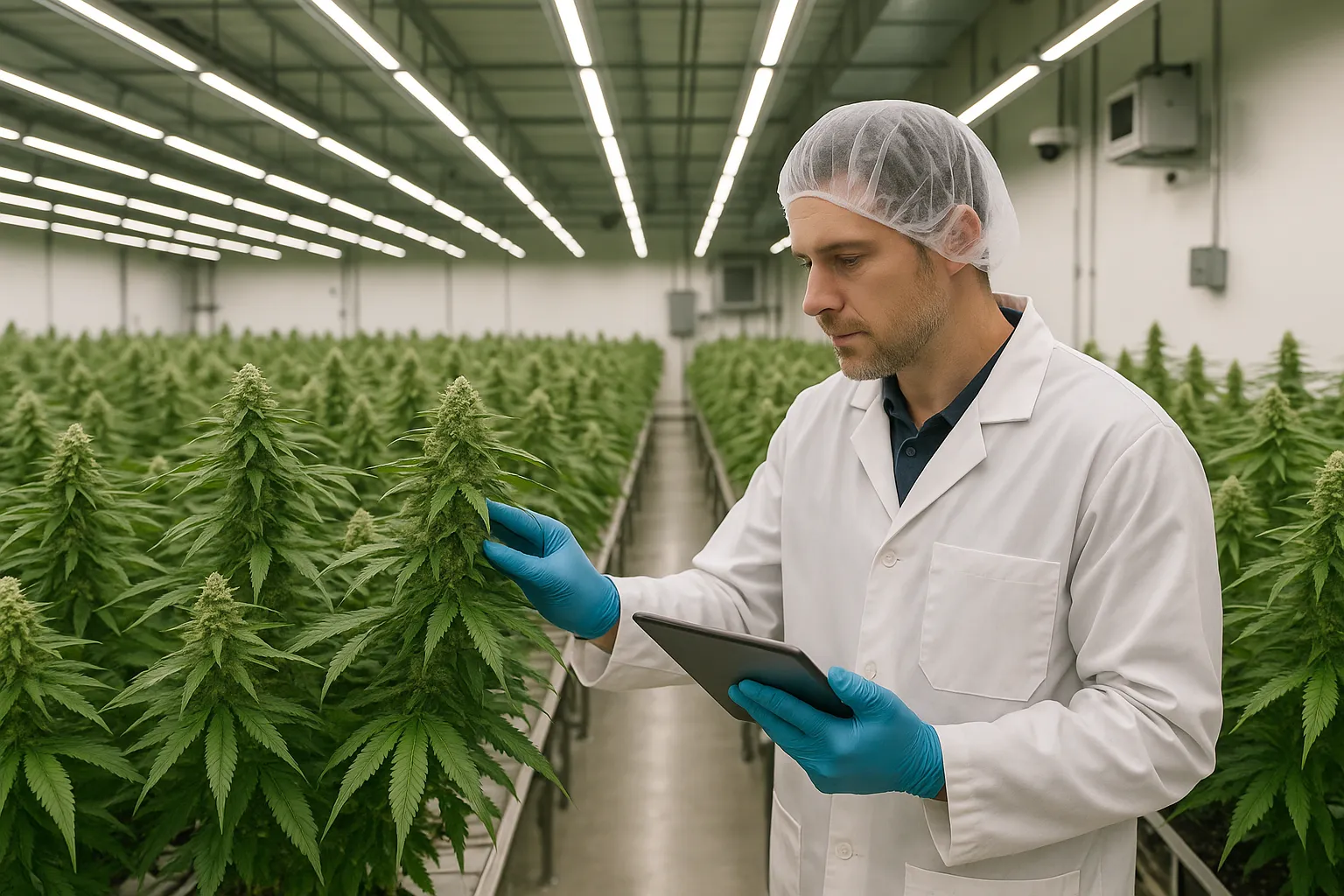
Securing a Cannabis Cultivation License is the critical first step for anyone who wants to grow cannabis legally for commercial purposes. Whether you are planning a small craft grow or a large-scale greenhouse operation, understanding the licensing process, regulatory requirements, and compliance expectations will determine your success and long-term viability in this highly regulated industry.
What Is a Cannabis Cultivation License?
A cannabis cultivation license is a formal authorization from a government authority allowing you to grow cannabis plants for medical, adult-use (recreational), or research purposes. It typically covers activities such as:
- Germinating seeds and propagating clones
- Growing plants indoors, outdoors, or in greenhouses
- Harvesting, drying, curing, and basic trimming
- Transferring cannabis to licensed processors, distributors, or retailers
The exact scope of permitted activities depends on your jurisdiction and the specific license type you obtain.
Types of Cannabis Cultivation Licenses
Most regulatory frameworks distinguish licenses by scale, environment, and end use. Common categories include:
By Scale
- Micro or small-scale licenses: Limited plant counts or canopy size; often designed for craft growers and small businesses.
- Standard or commercial licenses: Larger canopy limits suitable for mid- to large-scale operations.
- Industrial or large-scale licenses: High canopy caps, typically for major producers with substantial capital.
By Cultivation Method
- Indoor cultivation license: Controlled environments with artificial lighting and climate control.
- Outdoor cultivation license: Open-field or hoop-house grows relying on natural conditions.
- Greenhouse or mixed-light license: Hybrid approach using natural light supplemented with artificial lighting.
By Market and Purpose
- Medical cannabis cultivation: Serving registered patients and medical dispensaries.
- Adult-use or recreational cultivation: Supplying licensed retailers for the general adult market.
- Research and development licenses: Focused on genetics, plant science, and product innovation.
Key Requirements for a Cannabis Cultivation License
While regulations vary by country, state, or province, most licensing authorities expect applicants to meet core standards in four main areas.
1. Ownership, Background, and Suitability
- Disclosure of all owners, officers, and key employees.
- Criminal background checks, often focusing on financial crimes and serious offenses.
- Proof of financial stability and legitimate funding sources.
2. Property and Zoning Compliance
- Evidence of legal control over the property (lease, deed, or option to purchase).
- Confirmation that local zoning allows cannabis cultivation.
- Required setbacks from schools, parks, or residential areas where applicable.
3. Security and Operational Plans
- Comprehensive security plan, including cameras, alarms, access controls, and perimeter fencing.
- Standard operating procedures for planting, nutrient management, pest control, and harvest.
- Inventory tracking and seed-to-sale systems to prevent diversion to the illicit market.
4. Environmental and Health Standards
- Waste management plans for plant material and hazardous inputs.
- Water and energy management strategies, including runoff control and efficiency measures.
- Compliance with worker safety standards and use of approved pesticides only.
Steps to Apply for a Cannabis Cultivation License
Although procedures differ, most applicants will follow a similar sequence.
Step 1: Research Your Jurisdiction
Start by reviewing official regulations and guidance from your state, provincial, or national cannabis authority. Identify:
- Available license classes and caps
- Application windows and deadlines
- Local approvals required from municipalities or counties
Step 2: Develop a Business and Compliance Plan
Regulators want assurance that your operation will be financially and operationally sustainable. Prepare:
- A business plan detailing market strategy, staffing, and financial projections.
- Compliance manuals covering security, quality assurance, and recordkeeping.
- Site plans, floor layouts, and cultivation designs.
Step 3: Secure Property and Local Support
Identify a compliant property and obtain letters of intent or leases contingent on licensing. In many areas you must also secure:
- Local permits or conditional use approvals
- Fire, building, and health inspections
- Community engagement or impact plans
Step 4: Submit Application and Pay Fees
Applications typically include extensive documentation and non-refundable fees. Be prepared for:
- Application fees and annual license fees
- Requests for clarification or additional documents
- Site visits or pre-licensing inspections
Step 5: Maintain Ongoing Compliance
Once your cannabis cultivation license is granted, ongoing compliance is crucial:
- Keep accurate, real-time inventory and production records.
- Renew licenses before expiration and report ownership or location changes.
- Prepare for periodic audits and inspections.
Common Challenges and How to Overcome Them
Applicants often face obstacles such as high startup costs, complex regulations, and limited access to banking. To mitigate risk:
- Engage legal and regulatory consultants with cannabis experience.
- Build conservative financial models that account for delays and compliance costs.
- Invest early in robust compliance systems and staff training.
Conclusion
Obtaining a cannabis cultivation license is demanding but achievable with careful planning, solid documentation, and a strong compliance culture. By understanding license types, regulatory expectations, and the step-by-step application process, prospective cultivators can position themselves for approval and long-term success in the legal cannabis market.