
Cannabis and Technology
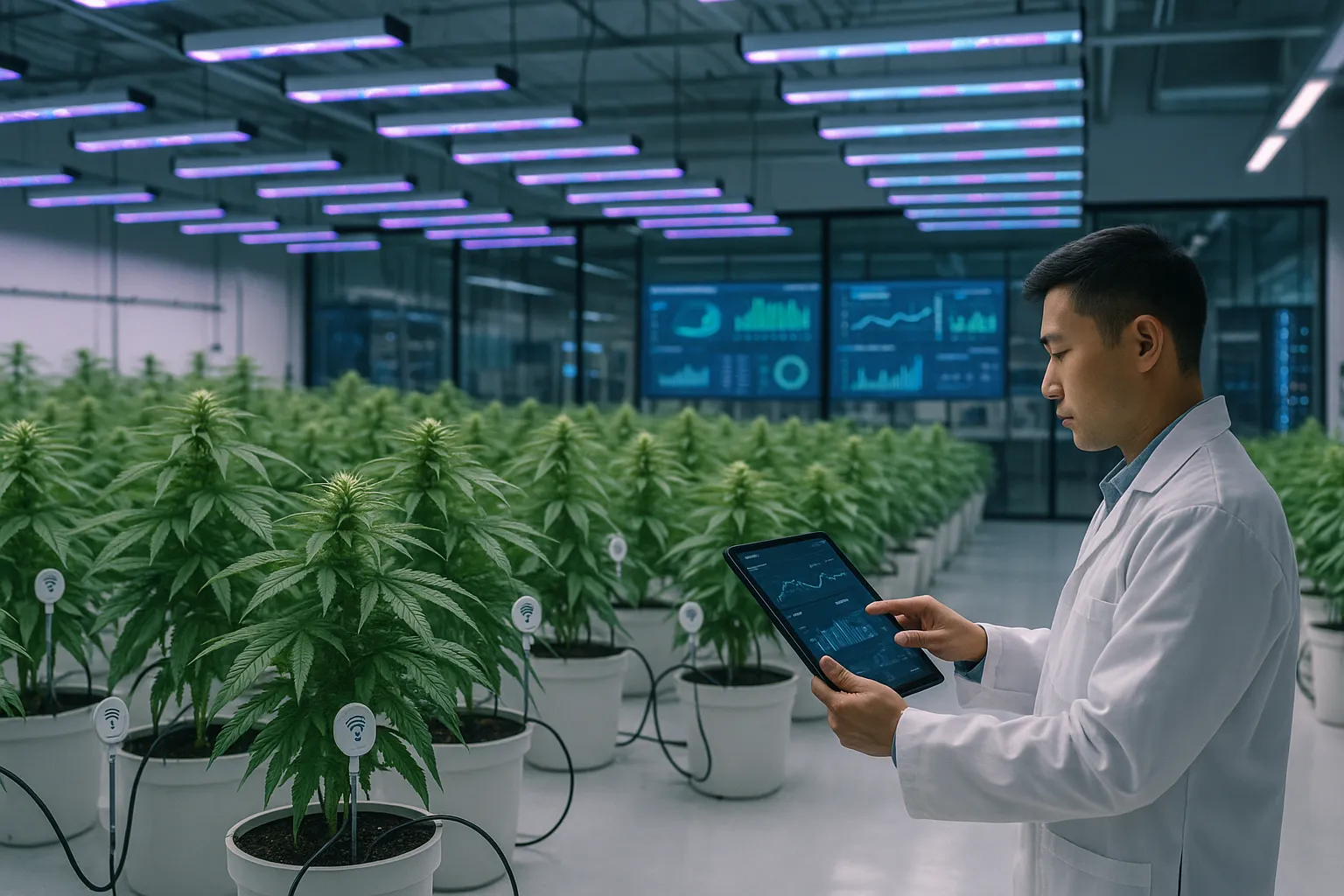
Cannabis and technology are evolving side by side, reshaping how products are grown, processed, sold, and even consumed. From data driven cultivation to AI powered retail, innovation is helping the cannabis sector become more efficient, transparent, and customer focused.
How Cannabis and Technology Are Redefining Cultivation
The modern cannabis farm looks very different from a traditional grow room. Advanced tools help cultivators control every aspect of the plant environment.
Smart Growing Systems and Sensors
Internet of Things (IoT) devices now monitor temperature, humidity, light, and nutrient levels in real time. These systems can automatically adjust conditions to keep plants in their ideal range.
- Environmental sensors: Track data 24/7 and send alerts if conditions drift out of target ranges.
- Automated irrigation: Delivers water and nutrients only when needed, saving resources and improving consistency.
- LED lighting: Tunable spectrum LEDs allow growers to tailor light recipes for each growth stage.
This data driven approach improves yields, reduces waste, and creates more predictable harvests, which is crucial for both medical and adult use markets.
Artificial Intelligence and Data Analytics
AI and machine learning are increasingly used to analyze crop data and optimize performance. By examining patterns across multiple harvests, algorithms can suggest the best combinations of genetics, nutrients, and environmental settings.
- Predictive models help forecast yields and detect early signs of plant stress or disease.
- Image recognition tools can identify pests, mold, or nutrient deficiencies from leaf photos.
- Data dashboards give growers clear insights into cost per gram, energy use, and production efficiency.
These tools help cultivators move from trial and error to evidence based decision making.
Cannabis and Technology in Extraction and Product Development
Beyond the grow room, technology is transforming how cannabis is processed into oils, edibles, and other products.
Advanced Extraction Techniques
Modern extraction labs rely on sophisticated equipment to isolate cannabinoids and terpenes safely and consistently.
- CO2 extraction: Uses supercritical carbon dioxide to produce clean, solvent free concentrates.
- Hydrocarbon extraction: Creates high potency products when managed with strict safety protocols.
- Ethanol and hybrid systems: Offer scalable solutions for large volume production.
Computer controlled systems regulate pressure, temperature, and time, ensuring reproducible results and better quality control.
Precision Formulation and Testing
Laboratories use chromatography, mass spectrometry, and other analytical tools to measure cannabinoid content, terpene profiles, and potential contaminants.
- Accurate potency testing supports clear labeling and responsible dosing.
- Microbial and heavy metal screening helps protect consumer safety.
- Formulation software assists in creating standardized tinctures, capsules, and edibles.
This level of precision is essential for medical cannabis patients who rely on consistent, repeatable effects.
Retail, E Commerce, and Consumer Technology
On the retail side, cannabis and technology intersect in ways that improve both compliance and customer experience.
Seed to Sale and Compliance Software
Regulated markets require strict tracking of cannabis from cultivation to final sale. Seed to sale platforms record every step in the supply chain, including planting, harvesting, processing, and distribution.
- Barcode and RFID tracking provide traceability for regulators and businesses.
- Automated reporting reduces administrative burden and errors.
- Inventory tools help prevent diversion and over selling.
These systems support legal compliance while giving operators real time visibility into operations.
Online Ordering, Delivery, and Apps
Legalization has driven rapid growth in cannabis e commerce and delivery services.
- Online menus and mobile apps let customers browse products, read lab results, and place orders remotely.
- Age verification and geolocation tools help ensure purchases follow local regulations.
- Delivery logistics software optimizes routes and maintains secure chain of custody.
In store, digital kiosks and recommendation engines guide shoppers toward products that match their preferences and tolerance levels.
Emerging Technologies Shaping the Future of Cannabis
Innovation in cannabis and technology continues to accelerate, with several emerging trends worth watching.
Blockchain and Transparency
Blockchain can record every transaction in an immutable ledger, enhancing trust and traceability.
- Consumers may scan a code to see the full history of a product, from farm to shelf.
- Producers can verify authenticity and combat counterfeiting in unregulated markets.
Personalized Cannabis and Digital Health
As more data accumulates, platforms are exploring personalized cannabis recommendations.
- Symptom tracking apps help users log products, doses, and effects over time.
- Algorithms can suggest strains or formulations based on user goals and previous responses.
- Integration with wearables may one day correlate cannabis use with sleep, stress, or activity data.
Conclusion
The relationship between cannabis and technology is reshaping the industry from seed to sale. Smart cultivation systems, advanced extraction methods, compliance tools, and personalized digital experiences all contribute to a more efficient, transparent, and user centered market. As regulations evolve and innovation continues, businesses and consumers who embrace these technologies will be better positioned to benefit from the next wave of cannabis development.