
Best Strains for Tropical Climate
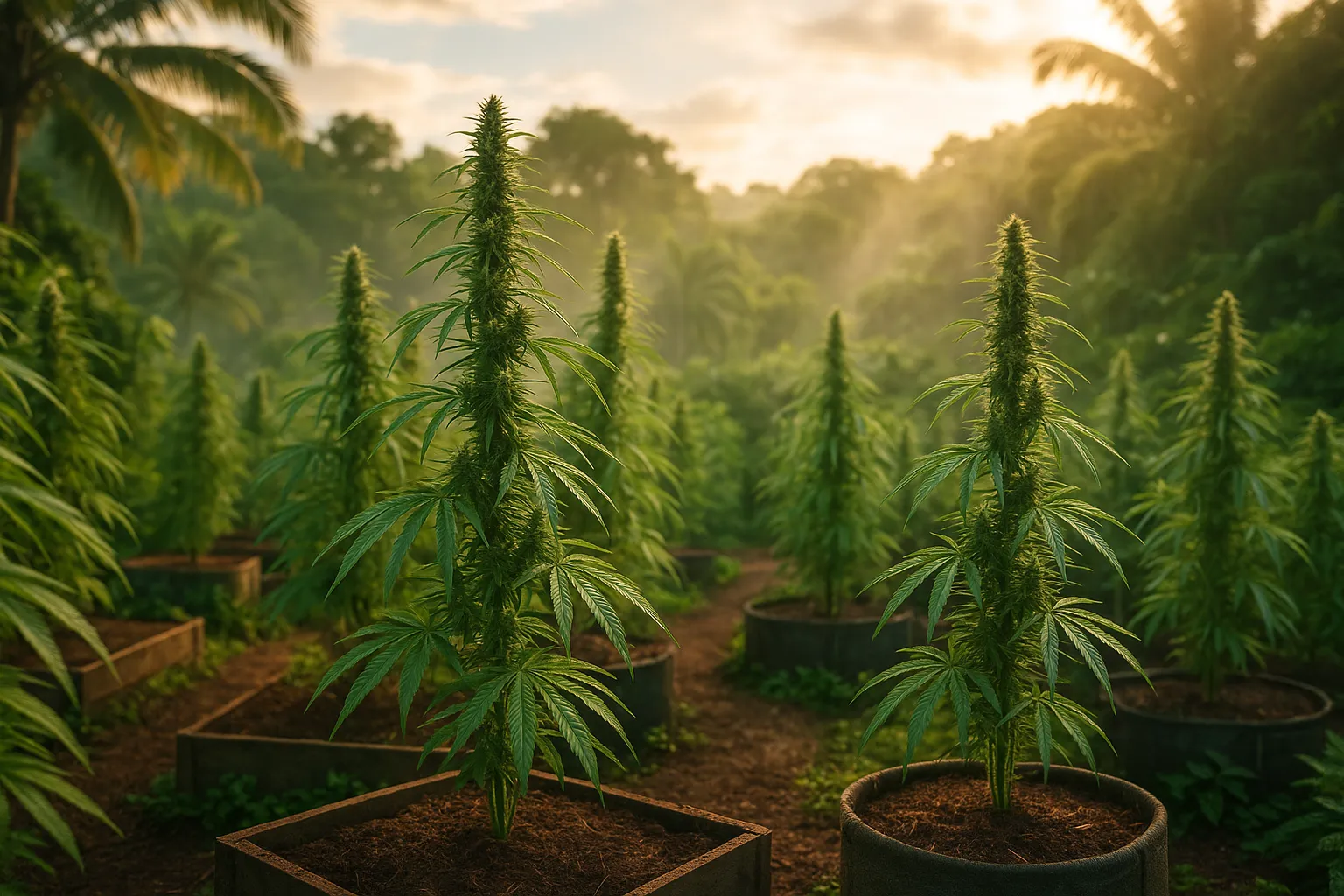
Choosing the best strains for tropical climate conditions is essential if you want healthy plants, strong yields, and resistance to mold and pests. High heat, intense sunlight, and high humidity create a demanding environment, but with the right genetics and techniques, your garden can thrive year round.
What Makes a Strain Good for Tropical Climates?
Not every cannabis strain is suited to hot, humid regions. The best strains for tropical climate growing share a few key traits:
- Sativa or sativa-dominant genetics that evolved near the equator
- Good mold and mildew resistance, especially in dense foliage
- Heat tolerance so plants do not wilt or stress in strong sun
- Longer flowering times that match extended warm seasons
- Strong root systems that handle heavy rains and quick drying soils
Landrace and sativa-leaning hybrids from regions like Southeast Asia, Central America, and Africa tend to perform best outdoors in tropical and subtropical climates.
Top Sativa-Dominant Strains for Tropical Climate Gardens
The following varieties are widely known for thriving in hot, humid conditions while still offering great aroma, flavor, and potency.
Durban Poison
Durban Poison is a classic South African landrace sativa. It is renowned for its resilience, fast growth, and ability to handle strong sun and high temperatures.
- Climate fit: Excellent heat and pest resistance
- Flowering: Medium-long, often 9 to 11 weeks outdoors
- Benefits: Airy buds that are less prone to mold, energetic effects
Maui Wowie
Originating from Hawaii, Maui Wowie was literally bred for a tropical climate. It performs well in coastal regions with intense light and salty breezes.
- Climate fit: Handles humidity and strong UV exposure
- Flowering: Around 9 to 10 weeks
- Benefits: Uplifting, fruity profile with good outdoor vigor
Thai and Thai-Dominant Hybrids
Thai landrace lines and Thai hybrids are naturally suited to hot, wet environments. Pure Thai can be very long flowering, but modern crosses are more manageable.
- Climate fit: Built for equatorial humidity and monsoon cycles
- Flowering: 11 to 14 weeks for pure Thai, shorter for hybrids
- Benefits: Tall plants, loose flowers, excellent mold resistance
Panama and Central American Sativas
Sativas from Panama, Colombia, and other Central American regions adapt well to tropical and subtropical outdoor grows.
- Climate fit: Comfortable in heavy rains followed by intense sun
- Flowering: Typically 10 to 12 weeks
- Benefits: Robust plants, spicy or incense-like aromas, good resistance
Indica-Leaning Hybrids That Can Still Work
While pure indicas often dislike heat and humidity, some hybrids have been bred with better resilience. When looking for the best strains for tropical climate growing that include indica genetics, focus on:
- Open, less dense bud structure to reduce mold risk
- Documented mold resistance from breeders or growers
- Moderate flowering times to avoid late-season storms
Examples can include certain skunk-based hybrids or haze crosses that mix indica yield with sativa hardiness. Always check breeder notes and local grower feedback before planting indica-heavy varieties in the tropics.
Growing Tips for the Best Strains for Tropical Climate
Even the strongest genetics need proper care. These techniques help your chosen strains perform at their best in hot and humid regions.
Manage Humidity and Airflow
- Space plants generously to allow air to move through the canopy.
- Prune lower branches and thin inner foliage to reduce moisture buildup.
- Use gentle fans in greenhouses or covered areas to prevent stagnant air.
Protect Roots from Heat and Heavy Rain
- Grow in raised beds or large fabric pots to improve drainage.
- Mulch the soil surface to keep roots cooler and retain moisture.
- Avoid waterlogging by using well-draining media and elevating containers.
Time Your Planting and Harvest
- Start plants early in the dry season, if your region has one.
- Aim to finish flowering before the most intense storm period.
- Choose earlier-finishing sativa hybrids if late-season rain is severe.
Monitor for Mold, Mildew, and Pests
- Inspect buds and leaves frequently, especially after rain.
- Use organic preventatives such as neem oil or beneficial microbes when allowed.
- Remove infected material quickly to stop spread.
Choosing the Right Strain for Your Specific Tropical Microclimate
Not all tropical environments are identical. Coastal areas, highland tropics, and rainforest zones each pose different challenges.
- Coastal tropics: Look for salt-tolerant, wind-resistant strains like Maui Wowie.
- Highland tropics: Slightly cooler nights may allow more hybrid diversity.
- Rainforest zones: Prioritize extreme mold resistance and open bud structure.
Whenever possible, ask local growers which varieties perform consistently. Regional experience is often the best guide to refining your list of best strains for tropical climate success.
Conclusion
Selecting the best strains for tropical climate growing starts with sativa-dominant, mold-resistant genetics and continues with smart cultivation practices. By combining climate-appropriate varieties like Durban Poison, Maui Wowie, Thai hybrids, and Central American sativas with good airflow, drainage, and timing, you can turn heat and humidity from a challenge into an advantage and enjoy vigorous plants and rewarding harvests year after year.