
Best Strains for Hot and Humid
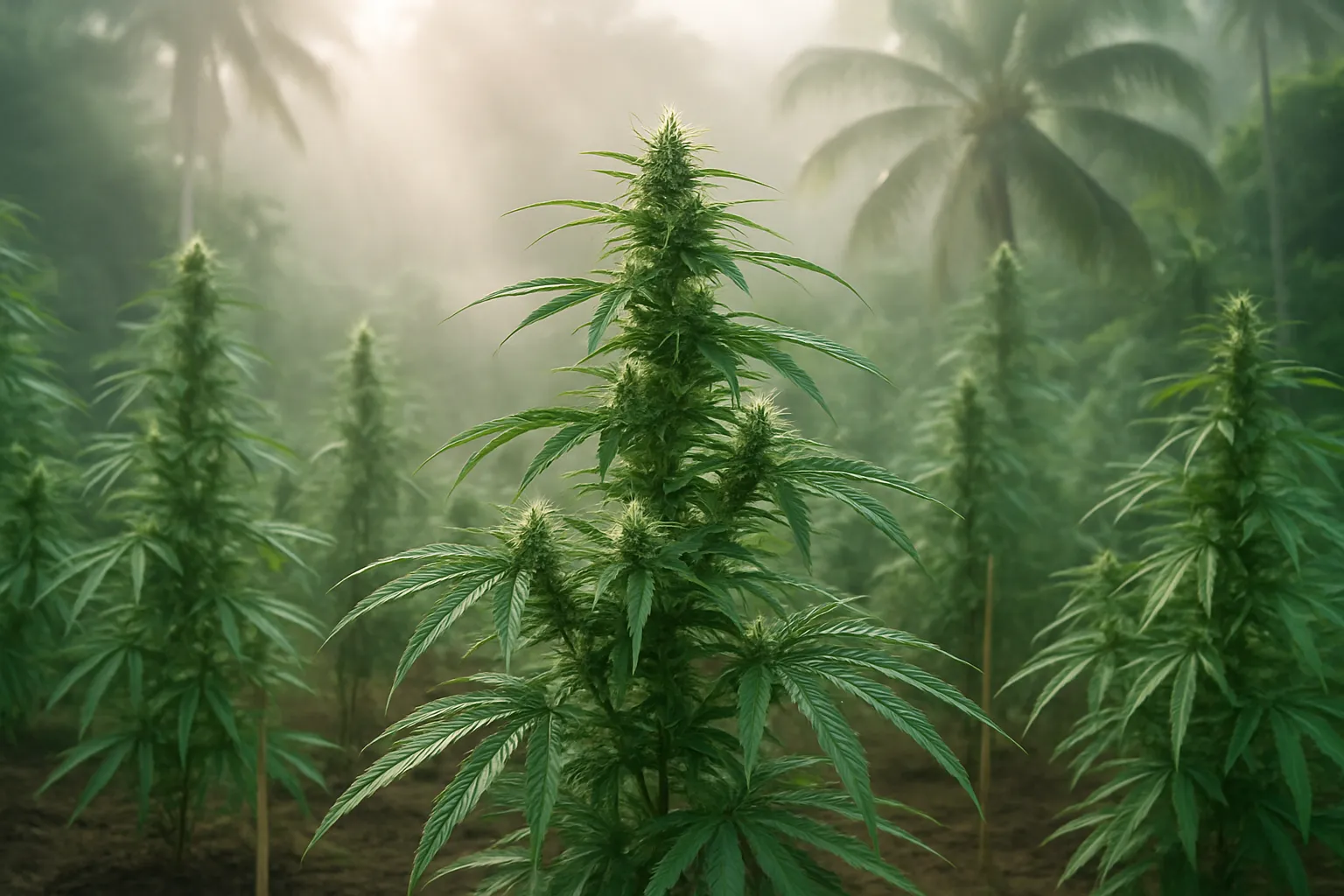
Choosing the best strains for hot and humid environments is crucial if you want healthy plants, strong resistance to mold, and a reliable harvest. High temperatures and moisture stress cannabis plants, but the right genetics can thrive where others fail.
Why Climate Matters When Choosing the Best Strains for Hot and Humid Areas
Hot, moisture-rich climates create ideal conditions for pests, mold, and plant stress. Understanding how different strains respond to heat and humidity helps you avoid common problems like bud rot, powdery mildew, and slow, weak growth.
Key Challenges in Hot and Humid Climates
- Mold and bud rot: Dense buds trap moisture, making them prone to fungal infections.
- Heat stress: Prolonged high temperatures can cause leaf curling, foxtailing, and reduced yields.
- High pest pressure: Warm, damp conditions attract mites, aphids, and other insects.
- Slow transpiration: When the air is already saturated, plants struggle to cool themselves.
Strains with open bud structure, strong vigor, and natural disease resistance are better suited to these conditions.
Traits to Look For in Strains for Hot and Humid Climates
Rather than focusing only on names, focus on traits. The best strains for hot and humid regions tend to share several features.
Genetic Background
- Sativa-dominant genetics: Typically have taller, airier flowers that dry faster and resist mold.
- Tropical landrace heritage: Strains originating from regions like Southeast Asia, Central America, and equatorial Africa are naturally adapted to heat and humidity.
Plant Structure and Flowering
- Airy or open buds: Allow better airflow and reduce moisture buildup.
- Strong stems and branching: Support vigorous growth and handle storms or heavy rains better outdoors.
- Reasonable flowering time: For outdoor grows, choose varieties that finish before your wettest or stormiest season.
Resistance and Vigor
- Mold and mildew resistance: Often highlighted in breeder descriptions; essential for coastal or tropical zones.
- High vigor: Fast, robust growth helps plants recover from heat waves, pruning, and pest damage.
Recommended Best Strains for Hot and Humid Climates
Below are popular and reliable options known for handling high temperatures and humidity better than average.
1. Durban Poison
Type: Mostly sativa
Why it works: Originating from South Africa, Durban Poison is adapted to warm climates. It grows tall with relatively loose buds, offering good airflow. Growers appreciate its mold resistance and energetic, clear-headed effects.
2. Super Silver Haze
Type: Sativa-dominant hybrid
Why it works: Super Silver Haze combines strong vigor with a structure that can cope with heat. Its flowering time is moderate for a haze, and with good airflow it performs well in humid coastal or subtropical regions.
3. Amnesia Haze
Type: Sativa-leaning hybrid
Why it works: With roots in tropical genetics, Amnesia Haze is comfortable in warm, moist climates when given enough light and nutrients. Its buds are not as compact as many indica strains, which helps reduce mold risk.
4. Sour Diesel
Type: Sativa-dominant hybrid
Why it works: Sour Diesel is known for its strong growth and tolerance to environmental stress. In hot and humid regions, it benefits from pruning and training to keep airflow high, but it generally copes better than many dense indica varieties.
5. Jack Herer
Type: Balanced to sativa-leaning hybrid
Why it works: Jack Herer offers a good balance of potency, yield, and resilience. Its open structure and strong stems make it suitable for outdoor and greenhouse cultivation in warm, moist locations.
6. Tropical Landrace and Landrace-Based Hybrids
When searching seed catalogs, look for varieties described as:
- Thai, Colombian, or Mexican sativa: Naturally adapted to heat and long seasons.
- Equatorial or tropical hybrids: Bred from landraces that evolved in hot, humid environments.
These strains may take longer to flower but often offer exceptional resistance to mold and pests.
Growing Tips to Maximize Success in Hot and Humid Conditions
Even the best strains for hot and humid climates need proper care. Cultural practices can make the difference between a healthy crop and a mold disaster.
Improve Airflow and Spacing
- Plant with generous spacing to allow air to move between plants.
- Use pruning and low-stress training to open up the canopy.
- Add oscillating fans in greenhouses or indoor spaces.
Manage Humidity and Water
- Water early in the day so foliage dries before nightfall.
- Avoid overwatering; use well-draining soil or coco-based mixes.
- Indoors, use dehumidifiers and maintain strong extraction and intake.
Prevent Mold and Pests
- Inspect buds regularly during late flowering for signs of rot.
- Use preventative, plant-safe sprays (such as biological fungicides or beneficial microbes) as allowed in your area.
- Keep the grow area clean and remove dead leaves promptly.
Conclusion
Selecting the best strains for hot and humid climates starts with understanding your environment and choosing genetics that naturally thrive in it. Focus on sativa-leaning or tropical heritage strains with open bud structure and strong resistance to mold and pests. Combine smart strain selection with good airflow, careful watering, and consistent monitoring, and you can achieve healthy, productive plants even in the most challenging warm, humid regions.