
Best Outdoor Grow Setup for Beginners
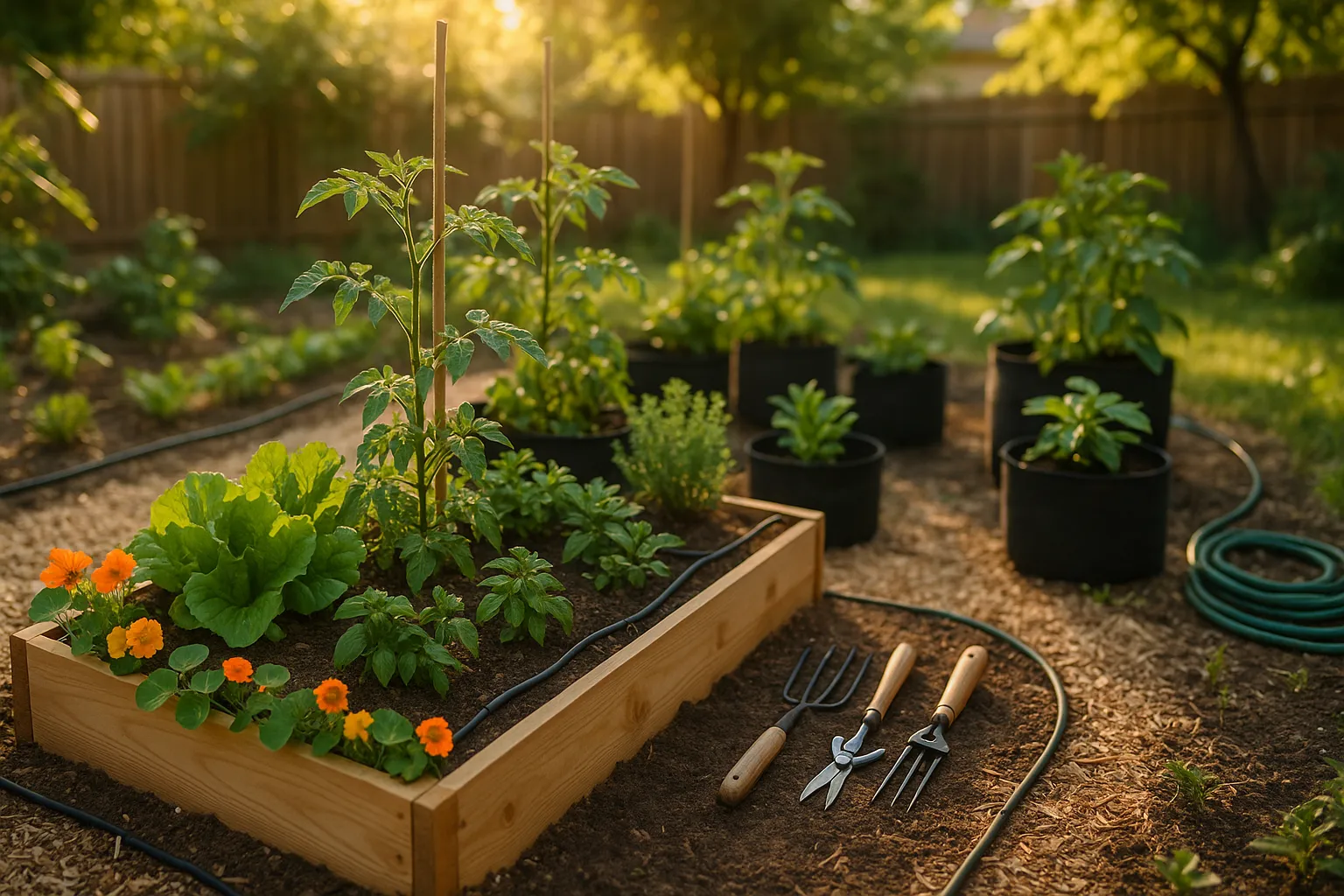
If you are new to cultivating plants outside, designing the best outdoor grow setup for beginners can feel confusing. With a simple plan, a few essential tools, and the right location, you can create a productive outdoor garden that is easy to manage, even on your first season.
Key Elements of the Best Outdoor Grow Setup for Beginners
Before buying equipment, focus on the basic building blocks of a successful outdoor grow: light, air, water, and soil. When these are in balance, almost any beginner can achieve healthy, vigorous plants.
Choosing the Right Location
Location is the foundation of your setup. A good site will reduce problems and make daily care easier.
- Sunlight: Aim for at least 6 to 8 hours of direct sun per day. South-facing or southwest-facing spots are usually ideal.
- Airflow: Gentle, consistent breeze helps prevent mold and pests. Avoid low, stagnant areas where air does not move.
- Accessibility: Choose a place you can reach easily with a hose, tools, and wheelbarrow. Convenience encourages consistent care.
- Drainage: Avoid areas where water puddles after rain. Standing water leads to root problems and disease.
Soil and Growing Medium
Healthy soil is more important than any gadget. For a beginner-friendly outdoor grow, you have two main options.
- In-ground beds: Best if you have decent native soil. Improve it by mixing in compost, aged manure, and a balanced organic fertilizer.
- Raised beds or large containers: Great for poor or rocky soil. Fill with a quality potting mix plus compost for structure and nutrients.
For most new growers, raised beds or fabric pots (15 to 30 liters or larger) offer better control, good drainage, and fewer soil-borne issues.
Essential Gear for a Beginner Outdoor Grow
You do not need expensive equipment to start. A basic toolkit is enough to support a productive garden.
Containers, Supports, and Tools
- Containers or beds: Fabric pots, plastic pots with drainage holes, or wooden raised beds work well.
- Plant supports: Stakes, soft ties, or simple trellis netting keep plants upright and improve airflow.
- Hand tools: A trowel, hand fork, pruning shears, and a small rake cover most tasks.
Watering Equipment
Consistent watering is critical for outdoor plants, especially in hot or windy conditions.
- Garden hose with adjustable nozzle: Simple and flexible for small gardens.
- Soaker hoses or drip irrigation: Ideal for the best outdoor grow setup for beginners because they deliver water directly to roots and save time.
- Watering can: Useful for spot watering and applying liquid feed.
Fertilizers and Soil Amendments
Outdoor plants rely on soil nutrients throughout the season. Start with a nutrient-rich mix, then supplement as needed.
- Slow-release organic fertilizer: Provides balanced nutrition over time with less risk of burning roots.
- Compost or worm castings: Improve soil structure and supply gentle nutrients and beneficial microbes.
- Mulch: Straw, wood chips, or shredded leaves help retain moisture, regulate soil temperature, and suppress weeds.
Planning Your Beginner-Friendly Outdoor Garden
A simple plan keeps your garden manageable and increases your chance of success in your first season.
Picking Beginner-Friendly Plants
Choose varieties that are hardy, forgiving, and suited to your climate zone.
- Vegetables: Lettuce, radishes, green beans, zucchini, cherry tomatoes, and peppers are reliable choices.
- Herbs: Basil, parsley, chives, mint (in a pot), and oregano are easy and productive.
- Flowers: Marigolds, calendula, and nasturtiums attract beneficial insects and add color.
Layout and Spacing
Overcrowding is a common beginner mistake. Proper spacing allows light and air to reach each plant.
- Follow the spacing guidelines on seed packets or plant labels.
- Place taller plants to the north or back of the bed so they do not shade smaller ones.
- Leave paths or stepping stones so you can reach the center of beds without compacting soil.
Daily Care and Simple Pest Management
Once your outdoor grow setup is in place, consistent, light maintenance keeps it thriving.
Watering and Feeding Routine
- Check soil moisture daily: Insert a finger 2 to 3 cm into the soil. If it feels dry, water thoroughly.
- Water deeply, not shallowly: Deep watering encourages strong root systems and more resilient plants.
- Fertilize lightly: Use a gentle liquid feed every 2 to 4 weeks during active growth, following label directions.
Preventing Pests and Diseases
- Inspect leaves regularly, especially undersides, for insects or spots.
- Remove dead or diseased foliage promptly and discard it away from the garden.
- Encourage beneficial insects by planting flowers and avoiding broad-spectrum chemical sprays.
- Use simple barriers like netting or row covers if birds or larger pests become a problem.
Conclusion: Building Confidence with Your First Outdoor Grow
The best outdoor grow setup for beginners is not the most complex or expensive; it is the one you can manage confidently and consistently. By choosing a sunny, well-drained location, using healthy soil, investing in a few essential tools, and following a simple care routine, you create a strong foundation for every future season. Start small, observe your plants often, and adjust as you learn. With each cycle, your outdoor garden will become more productive, and your skills as a grower will steadily grow along with it.