
Best Fertilizer for Outdoor Grow
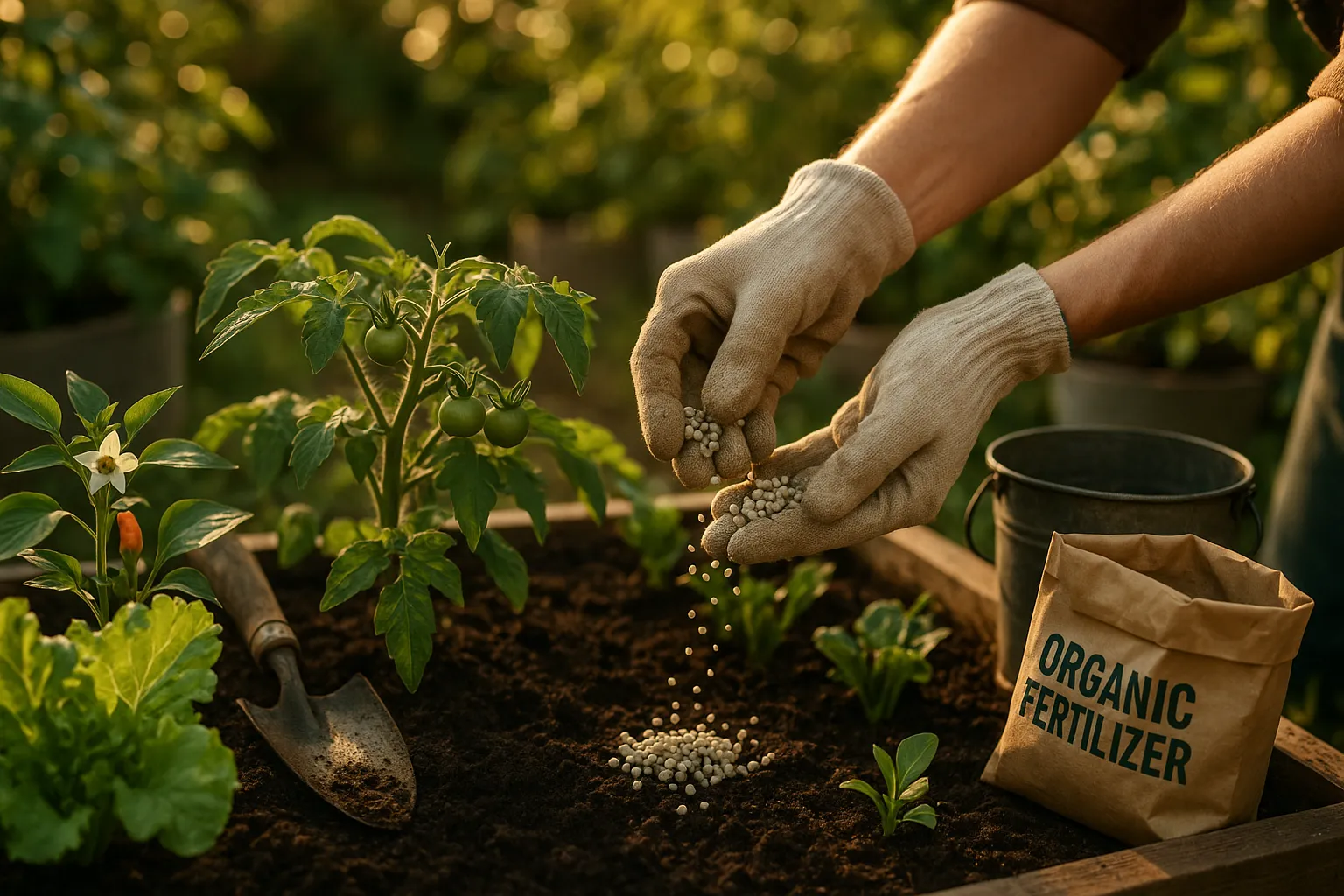
Choosing the best fertilizer for outdoor grow setups can make the difference between average plants and a truly abundant harvest. Whether you are growing vegetables, flowers, or cannabis outdoors, the right nutrients, applied at the right time, will drive strong root development, lush foliage, and heavy yields.
Understanding the Best Fertilizer for Outdoor Grow Success
Before picking a product, it helps to understand the basics of plant nutrition. Most outdoor fertilizers focus on three primary nutrients, often listed as an NPK ratio on the label:
- Nitrogen (N): Drives leafy growth and overall vigor, especially important during the vegetative stage.
- Phosphorus (P): Supports root development, flower formation, and fruiting.
- Potassium (K): Helps with disease resistance, water regulation, and overall plant health.
In addition, high quality outdoor fertilizers often contain secondary nutrients (calcium, magnesium, sulfur) and micronutrients (iron, zinc, manganese, boron, copper) that help prevent hidden deficiencies and nutrient lockout.
Main Types of Fertilizer for Outdoor Growing
Organic Fertilizers
Organic options are popular for outdoor gardens because they build long term soil health and support beneficial microbes.
- Compost and manure: Improve soil structure, water retention, and provide a slow, balanced nutrient release.
- Worm castings: Gentle, microbe rich fertilizer ideal for seedlings and sensitive plants.
- Bone meal and rock phosphate: Excellent organic sources of phosphorus for strong roots and flowering.
- Kelp meal and seaweed extracts: Provide trace minerals and natural growth stimulants that enhance stress resistance.
Organic fertilizers tend to release nutrients slowly, making them forgiving for beginners and well suited to long outdoor seasons.
Synthetic (Mineral) Fertilizers
Mineral fertilizers are manufactured nutrient salts that plants can absorb quickly.
- Water soluble powders and liquids: Ideal for fast correction of deficiencies and precise feeding schedules.
- Granular slow release products: Pellets that release nutrients over weeks or months, useful for low maintenance gardens.
These products deliver immediate results but require careful dosing to avoid over fertilization, especially in containers or light soils.
Matching Fertilizer to Plant Stage
Vegetative Growth
During early and mid season, plants focus on stems, leaves, and root expansion. A fertilizer with a slightly higher nitrogen ratio works best, such as 4 2 3 in organic blends or something similar in mineral form.
- Use compost or balanced organic pellets at planting.
- Supplement with a nitrogen rich tea or liquid feed every 1 to 2 weeks.
- Monitor leaf color; pale leaves can signal nitrogen deficiency.
Flowering and Fruiting
As plants shift to flowering or fruiting, the nutrient demand changes. They need more phosphorus and potassium and relatively less nitrogen.
- Switch to a bloom oriented fertilizer with higher P and K.
- Add bone meal, rock phosphate, or a bloom booster if using organic methods.
- For cannabis or heavy flowering plants, consistent bloom feeding is critical from early flower to ripening.
Soil, Containers, and Outdoor Conditions
In Ground Soil Grows
When growing directly in the ground, the best fertilizer for outdoor grow performance often starts with a soil test. Knowing your pH and base nutrient levels helps you avoid over or under feeding.
- Amend soil with compost, aged manure, and organic minerals before planting.
- Top dress with organic fertilizer around the drip line every few weeks.
- Mulch with straw or leaves to conserve moisture and protect soil life.
Container and Raised Bed Grows
Plants in pots or raised beds rely entirely on you for nutrients, as limited soil volume means faster nutrient depletion.
- Use a high quality potting mix enriched with compost or worm castings.
- Feed more frequently with lighter doses to avoid salt buildup.
- Flush containers occasionally with plain water if using synthetic nutrients.
How to Apply Fertilizer Outdoors Safely
Even the best fertilizer can cause problems if applied incorrectly. Follow these guidelines to protect plants and soil:
- Start light: Begin with half the manufacturer recommended dose, then adjust based on plant response.
- Water first: Apply fertilizer to moist soil to reduce root burn.
- Avoid midday feeding: Fertilize in the early morning or late afternoon to reduce stress.
- Watch for signs: Burned leaf tips, very dark foliage, or crusty soil can indicate overfeeding.
Choosing the Best Fertilizer for Your Outdoor Grow
To select the most suitable product, consider these factors:
- Crop type: Heavy feeders like tomatoes, peppers, and cannabis need richer nutrition than herbs or leafy greens.
- Growing style: Organic gardeners may prefer compost, teas, and dry amendments; others may favor precise liquid nutrient lines.
- Climate and season length: Short seasons benefit from quicker acting fertilizers, while long seasons can rely more on slow release organics.
- Budget and time: Slow release granules and well amended soil demand less frequent attention than complex feeding schedules.
Conclusion
The best fertilizer for outdoor grow projects is the one that matches your plants, soil, and management style. Focus on balanced nutrition, adjust NPK ratios as plants move from vegetative growth to flowering, and apply nutrients consistently but carefully. With healthy soil, appropriate fertilizers, and attentive watering, your outdoor garden can deliver vigorous growth and impressive yields season after season.